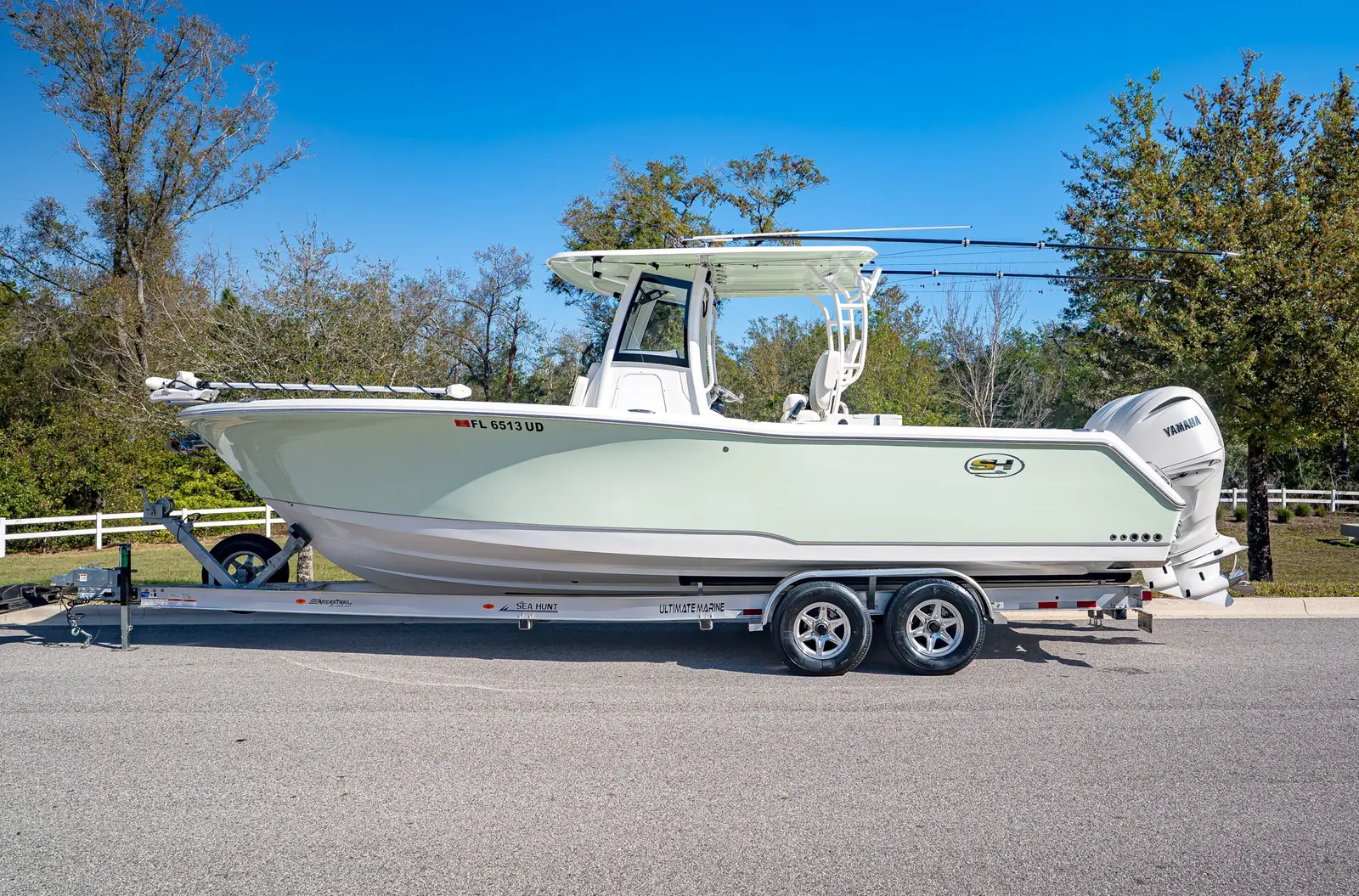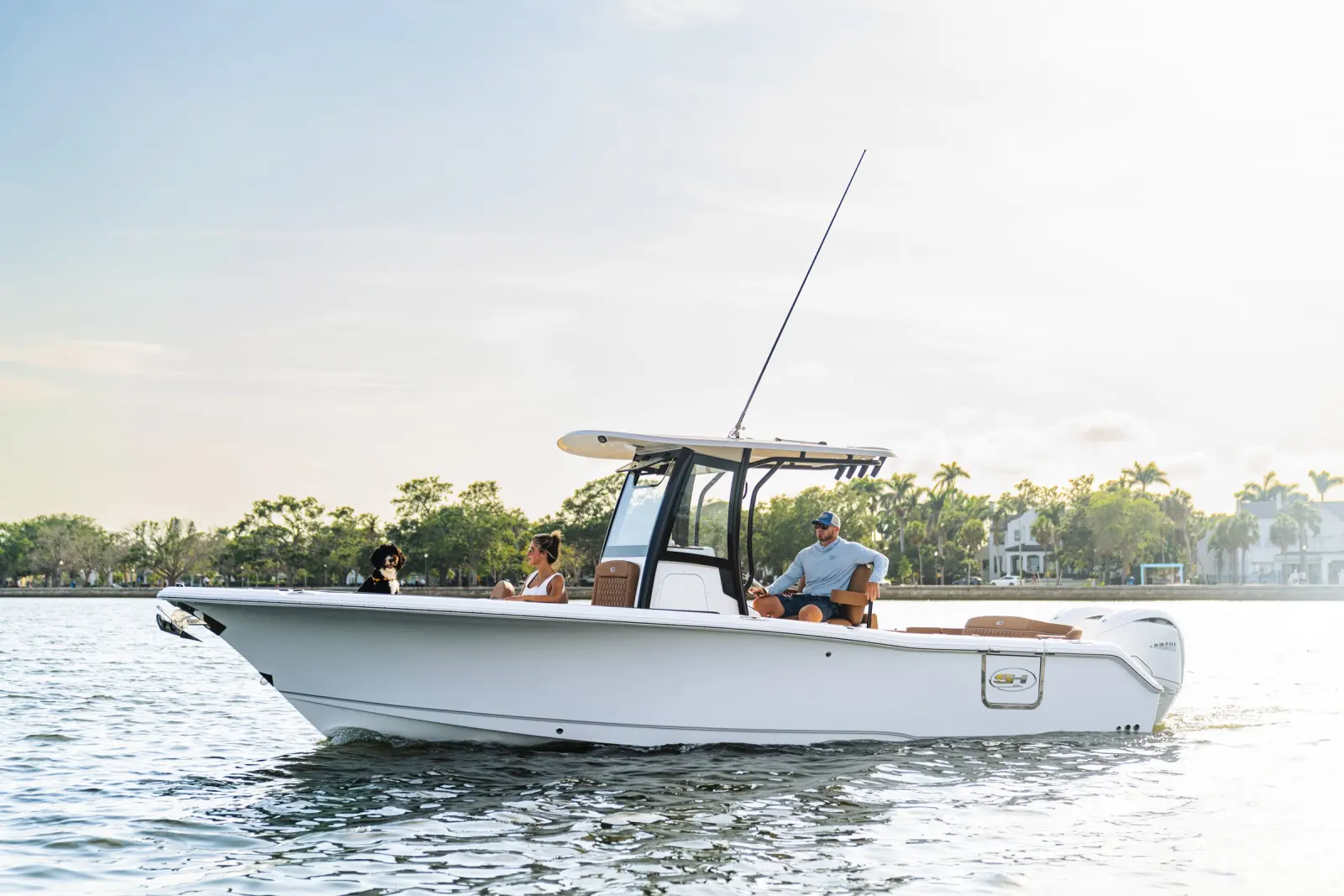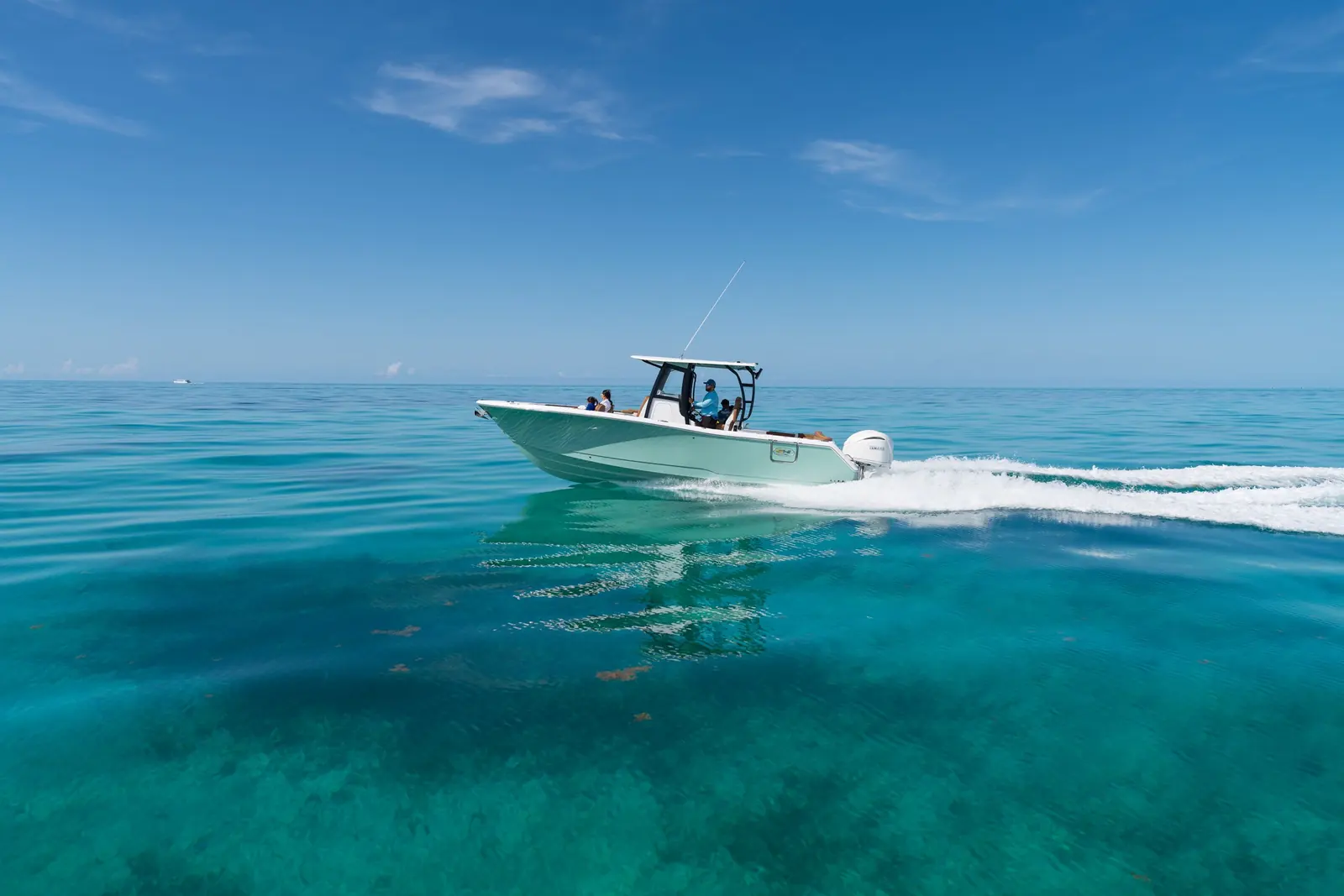



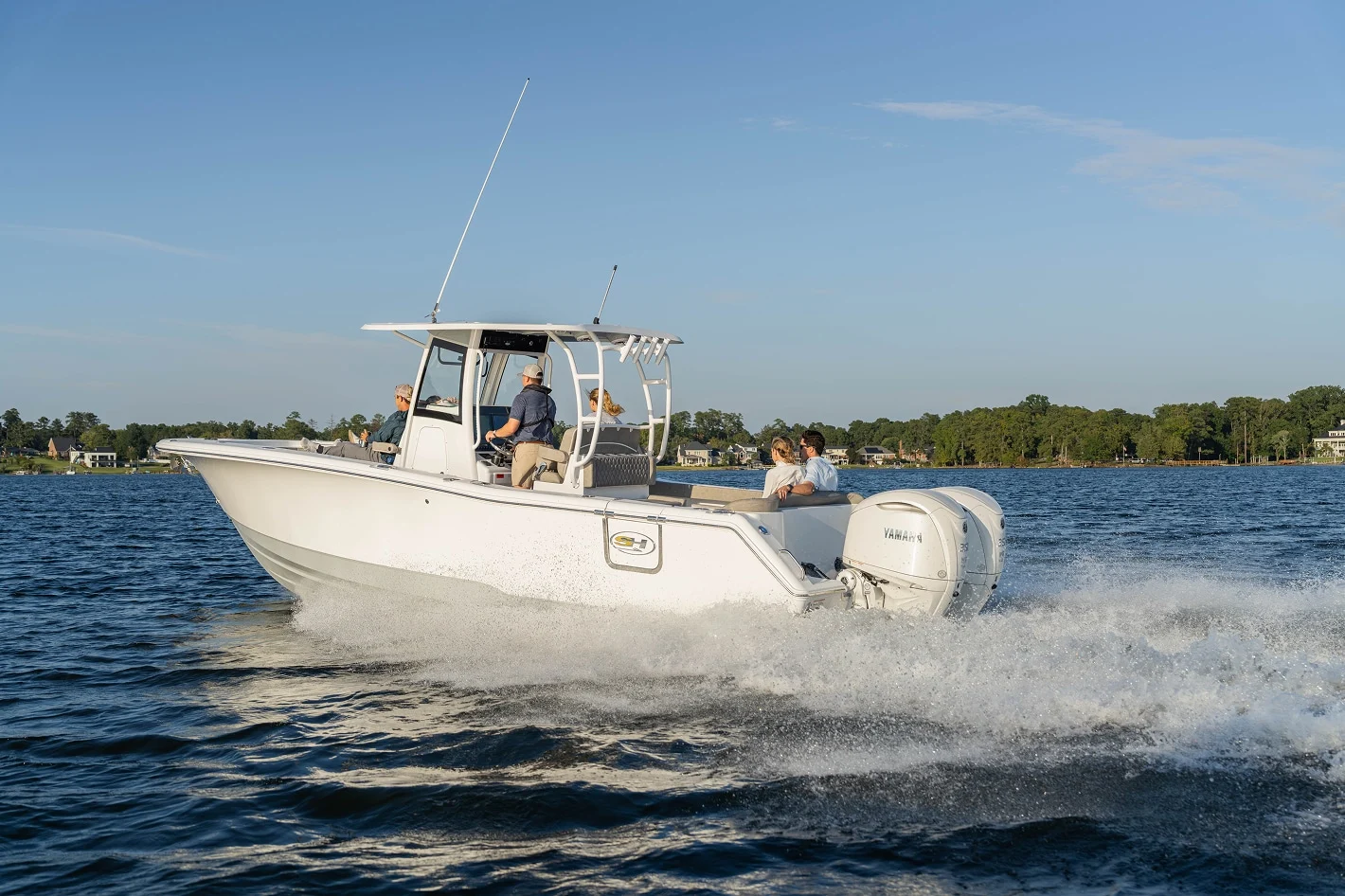





How Sea Hunt boat financing works
In this article
Pick the boat first, then set a total budget that includes Florida sales tax, insurance, storage and upkeep, not just the boat. Apply with a marine lender through our finance team or on your own. Lenders treat a boat loan more like a home loan than a car loan: expect questions about income, debts and assets, and tax returns on a used boat. Before you sign, compare the APR and the total of payments, not just the term.
Financing a boat works a lot like financing a car, with three differences that catch first-time buyers. The paperwork is heavier. The boat itself gets judged, especially if it's used. And the costs keep coming after the sale, from insurance to storage to engine service. Plan for all three and the loan is the easy part.
This guide follows the order a buyer actually goes, using BoatUS, Florida's Department of Revenue and federal lending rules for the facts. It leaves out rates and payment figures on purpose: those come from the lender, on the day you apply, for the boat you pick.
How do you finance a Sea Hunt, step by step?
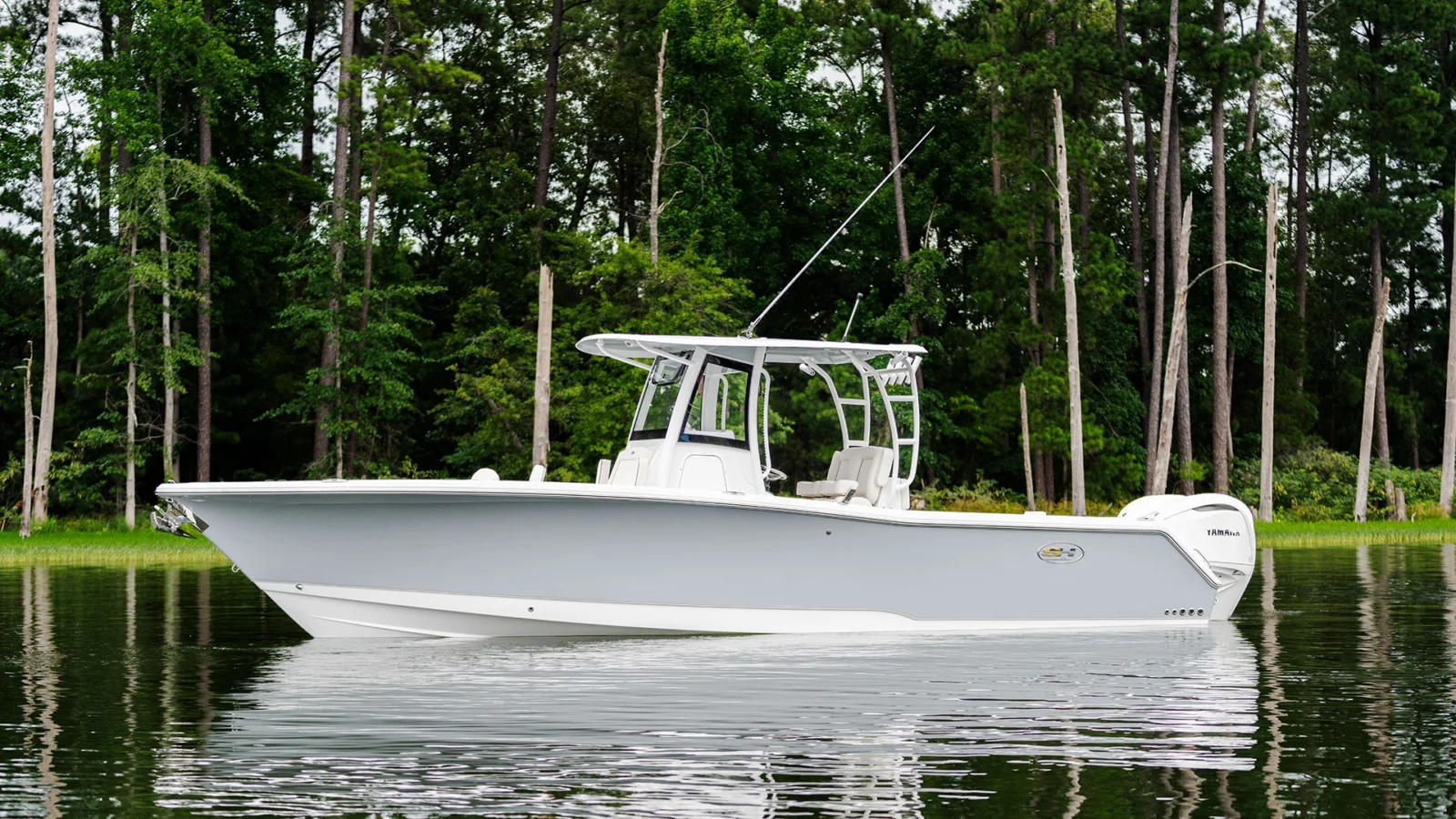
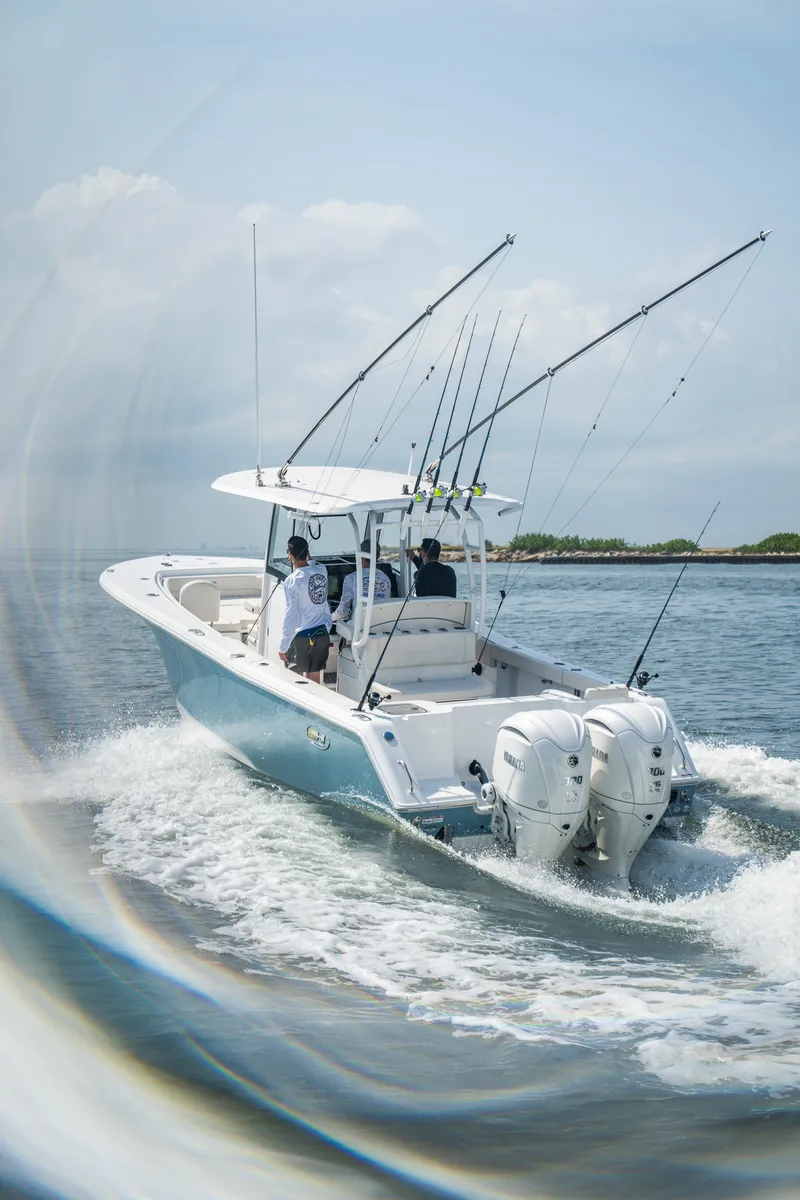
- Pick the boat firstHow you'll use the boat decides its size and power, and that decides how much you finance. Gamefish for offshore fishing, Ultra for family days that still fish, BX for the bay and flats.
- Set a total budgetAdd Florida sales tax, title and registration, insurance, storage, maintenance and fuel to the boat's price. The checklist further down lists them.
- Know your numbersPull your credit report, total up your current debts and decide how much cash you'll put down or bring as a trade-in.
- Gather your paperworkProof of income and identity, and on a used boat, expect a request for tax returns. The full list is below.
- Apply and compareApply through our finance team or your own bank or credit union. Ask each for the APR and the total of payments in writing.
- Read, sign, take deliveryRead every disclosure before you sign. Arrange insurance before delivery; lenders often want proof of coverage, especially on larger boats.
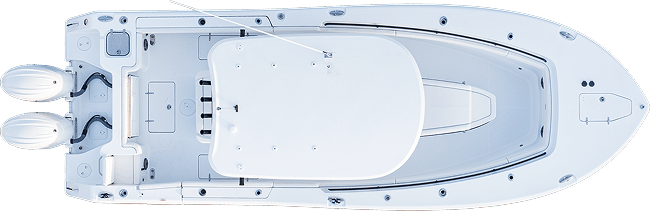
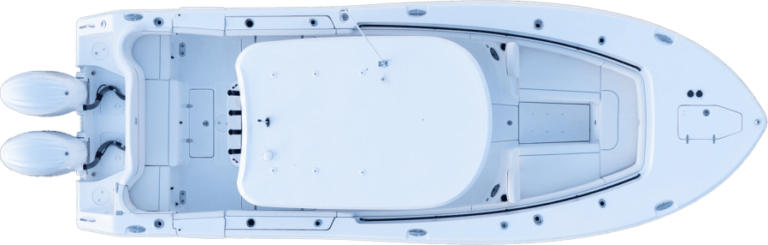
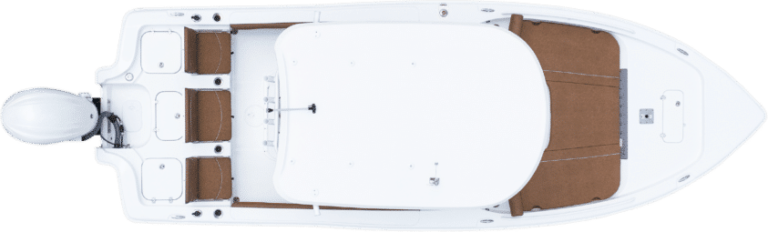
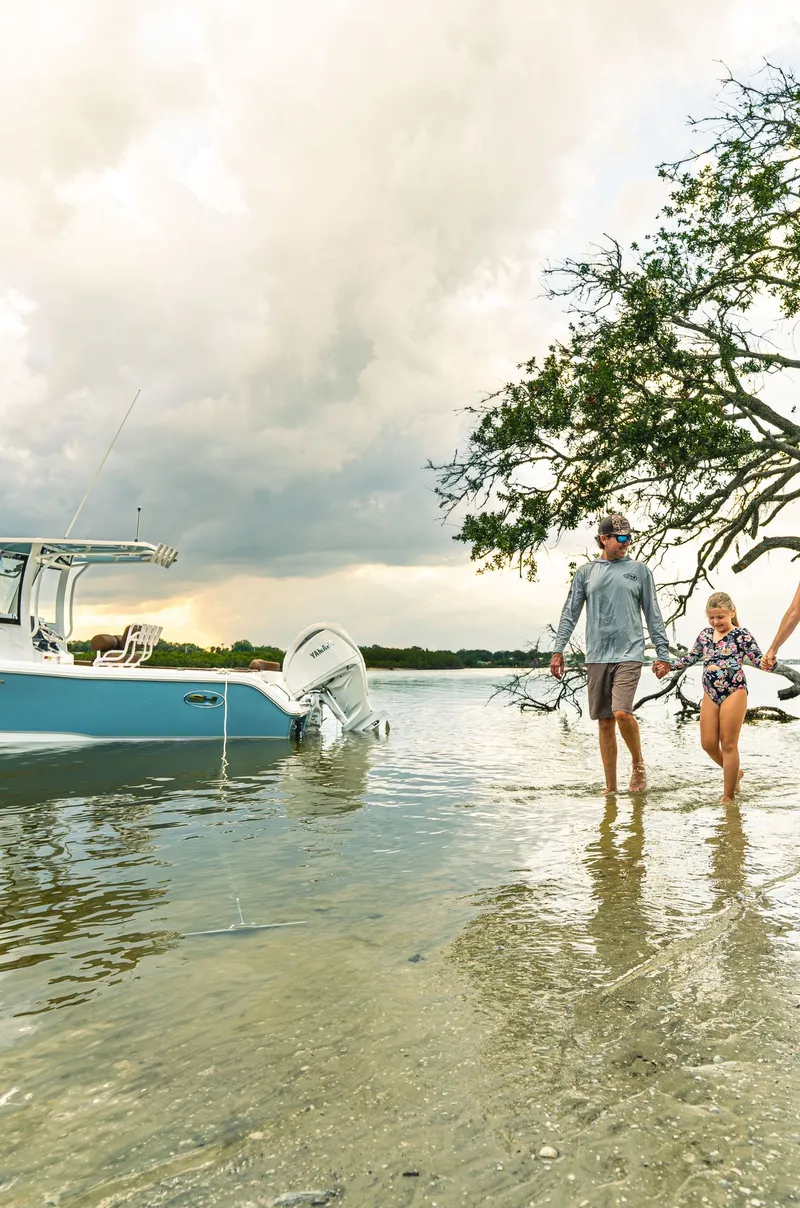
The order matters. Buyers who apply before they've chosen a boat often end up approved for an amount that doesn't match the boat they want, or they stretch for a bigger boat because the approval allows it. A family that mostly runs the Indian River and the sandbars, for example, may find a 23-foot Ultra covers every trip they actually take, while a 30-foot Gamefish would add fuel, storage and insurance costs they never planned for.
If you're still deciding between models, our guide to choosing a Sea Hunt walks through the lineup.
What do boat lenders look at?
BoatUS puts it plainly: financial institutions often consider boats luxury items, so the application is more like buying a house than buying a car. As part of underwriting, many lenders ask for a personal financial statement along with tax returns, and on a used boat a tax return is often required. Expect four things to matter.
Your credit. Your score and history shape the terms you're offered. Pull your report before you apply so a surprise doesn't slow you down, and dispute any errors early, since a correction can take weeks.
Your existing debt. Lenders compare what you already owe each month with your income. The less existing debt you carry, the easier approval tends to be. If you're about to pay off a car or a credit card, it can be worth waiting until that shows on your report.
Your down payment or trade-in. The more you put in at the start, the less you finance and the less interest you pay over the life of the loan. A boat you trade in counts toward that, and in Florida it can also lower the sales tax (see below). Lenders set their own minimums, so ask.
The boat. Rates and terms can vary with the age, size, type and use of the boat. On a new boat, the lender needs the Manufacturer's Statement of Origin, which shows the boat has had no other retail owner. On a used boat, the lender checks for a clear title or record of ownership, and banks and insurers use a surveyor's valuation to set the loan and insured hull value. That's one more reason to get a survey on any used boat, even when nobody requires it.
What paperwork do you need for a boat loan?
Have these ready before you apply
Most delays come from the last three lines, not the first five. A trade-in with a loan still on it needs a payoff letter from that lender, and the new lender wants to see the old lien cleared at closing. A used boat bought from a private seller needs a title free of liens, and in Florida that title has to transfer to you within 30 days of purchase.
Insurance is the other common hold-up. Lenders usually require marine insurance on larger boats, and an insurer may want a survey on a used boat before it writes the policy. Call your agent as soon as you've picked a boat, not the day before delivery.
What loan terms can you choose?
| Choice | What it means | The trade-off |
|---|---|---|
| Fixed interest | The interest stays the same for the life of the loan | Predictable cost; you don't benefit if market rates fall unless you refinance |
| Variable interest | The interest can move with the market over time | Can start lower, but the total cost can change |
| Shorter term | You repay the loan over fewer years | Larger installments, less interest paid overall |
| Longer term | You repay the loan over more years | Smaller installments, more interest paid overall |
General loan structures. Actual terms come from the lender at the time you apply.
Through our financing page, terms of up to 20 years are available, and terms up to 20 years are common on boat loans, with rates and terms depending on the boat's age, size, type and use. A long term spreads the cost across more years. It also adds interest, and it means you may owe more than the boat is worth for longer, which matters if you plan to trade up in a few seasons.
A simple way to choose: match the term to how long you expect to own the boat. If you think you'll move from a 23-foot Ultra to something bigger in four or five years, a shorter term keeps you closer to even when you trade. If this is the boat you plan to keep for a decade, a longer term may fit. Either way, compare offers by the total of payments, not by the term alone.
What should you check before you sign a boat loan?
Federal Truth in Lending rules (Regulation Z) require a lender to give you written disclosures before a closed-end loan like a boat loan is final. Four numbers on that page tell you most of what you need to know:
- Amount financed. The credit you're actually receiving, after your down payment.
- Finance charge. The cost of the credit in dollars, including interest and certain fees.
- Annual percentage rate (APR). The cost of your credit as a yearly rate. Use it to compare lenders, because it folds in costs the interest rate alone may not show.
- Total of payments. What you'll have paid when you've made every scheduled payment. This is the honest number for comparing a short term with a long one.
The same rule requires a statement about whether you can be charged for paying the loan off early. Read it. If you think you might sell, trade up or refinance, a prepayment charge changes the math.
On a used boat, the purchase agreement matters as much as the loan. Spell out that the sale depends on a satisfactory survey and sea trial and on your ability to get acceptable financing and marine insurance, and have the agreement state that the boat is free of liens. List the trailer's value separately from the boat's. Finally, ask whether anything was added to the loan you didn't ask for, such as a service contract or credit insurance. Those are optional, and you can say no.
What costs come on top of the boat loan?
Costs beyond the boat
Sales tax. Boats sold or used in Florida are subject to the state's 6% sales and use tax, plus any county discretionary surtax, which applies to the first $5,000 of the price. The total tax on one boat is capped at $18,000. A registered dealer collects the tax at the sale, and may deduct a trade-in allowance from the taxable price when the trade is part of the same deal.
Insurance. Most boat policies insure either actual cash value, the boat's market value at the time of a total loss, or an agreed (stated) value set when the policy is written. Ask which one you're getting, and what the policy says about named storms. Hurricanes lead BoatUS's insurance claims payouts over most five-year periods.
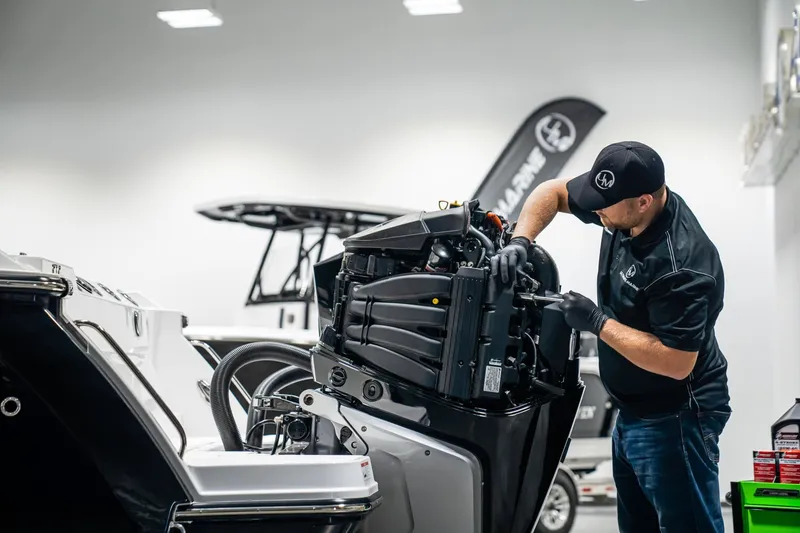
Upkeep and fuel. A Yamaha outboard needs its engine and lower unit oil changed every 100 hours, plus regular flushing and fuel filter changes, and twin engines double those jobs. Storage is a recurring bill too, so price a lift, a dry stack slip or a trailer before you sign. Do Sea Hunt boats come with a trailer? covers that question.
How do a trade-in or a used Sea Hunt change the loan?
Trading in. A trade-in works like a down payment: it lowers the amount you finance. In Florida it can also shrink the sales tax bill, since the Department of Revenue lets a registered dealer tax only the difference when the trade is part of the same deal. If your current boat still has a loan, the dealer pays it off as part of the deal and the difference rolls into the new numbers. Ask to see that payoff figure in writing. Our trade-in guide walks through getting the boat ready and what affects its value.
Buying used. A pre-owned Sea Hunt can be financed too, with more steps. Expect the lender to ask for tax returns and to rely on a surveyor's valuation. Lenders also set their own limits on how old a boat they'll finance, so ask before you fall for an older hull. If the boat is under ten years old, check the hull warranty: Sea Hunt's Ten-Year Hull Limited Warranty can transfer to the second owner for the remaining term, but only if a Warranty Transfer form is filed with Sea Hunt within 15 days of the transfer. Our used-boat buying guide covers surveys, titles and Florida paperwork in detail.
Talk to our finance team
Tell us the Sea Hunt you're considering and whether you have a trade, and we'll walk you through the options and paperwork.
Questions we hear
How long can you finance a Sea Hunt boat?
Through our financing page, terms of up to 20 years are available. Boat loan terms up to 20 years are common, with the actual rate and term depending on the boat's age, size, type and use and on your credit. A longer term spreads the cost over more years but adds interest, so compare offers by the total of payments on the lender's disclosure, not by the term alone.
What credit score do you need for a boat loan?
It depends on the lender, the boat and the rest of your finances, so there isn't one cutoff. Lenders treat boat loans more like home loans than car loans and often ask for a personal financial statement and tax returns. Your credit history, existing debt, down payment and the boat's age and value all play a part. Pull your credit report before you apply and fix any errors early.
Can you finance a used boat in Florida?
Yes. Expect more paperwork than on a new boat. Lenders often require tax returns on a used boat, check for a clear title, and use a marine surveyor's valuation to set the loan amount. Many lenders limit how old a boat they'll finance. In Florida, the buyer must title and register the boat within 30 days of purchase, and sales or use tax applies.
Can I finance electronics or a trailer with my boat?
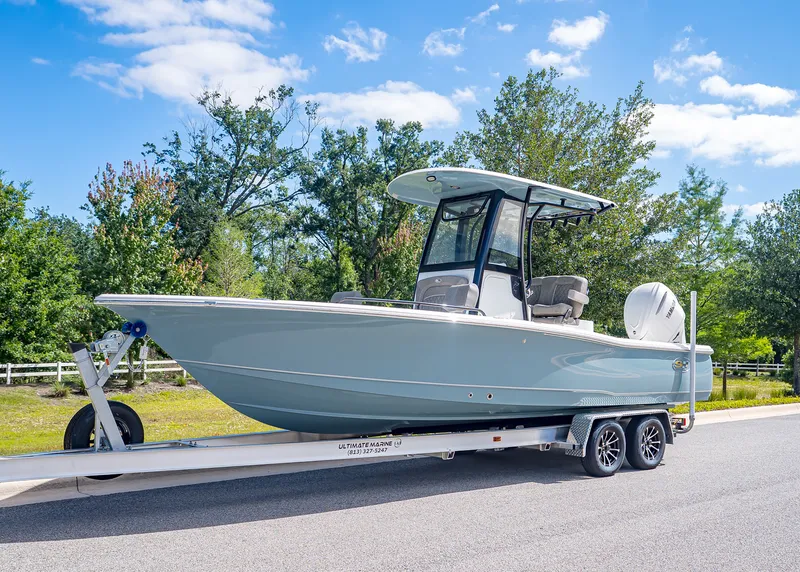
Yes, for upgraded electronics on a new boat: when they're on the build sheet, they can go into the boat loan with the boat. For a trailer or accessories bought separately, ask us how your lender handles them. If a trailer is part of the deal, list it on the purchase paperwork so it's financed and titled correctly.
Is boat loan interest tax deductible?
Only in limited cases. IRS Publication 936 counts a boat as a qualified home for the mortgage interest deduction only if it has sleeping, cooking and toilet facilities. Open center consoles like most Sea Hunts usually don't have all three, so don't count on the deduction. Talk to a tax professional about your own situation before you rely on it.
Sources
- BoatUS, Boat Buyers Guide.
- Consumer Financial Protection Bureau, Regulation Z, 12 CFR 1026.18.
- Florida Department of Revenue, Sales and Use Tax on Boats (GT-800005).
- FLHSMV, Vessel Titling and Registrations.
- Sea Hunt, Limited Warranty.
- Yamaha Outboards, Maintenance Matters.
- IRS, Publication 936.