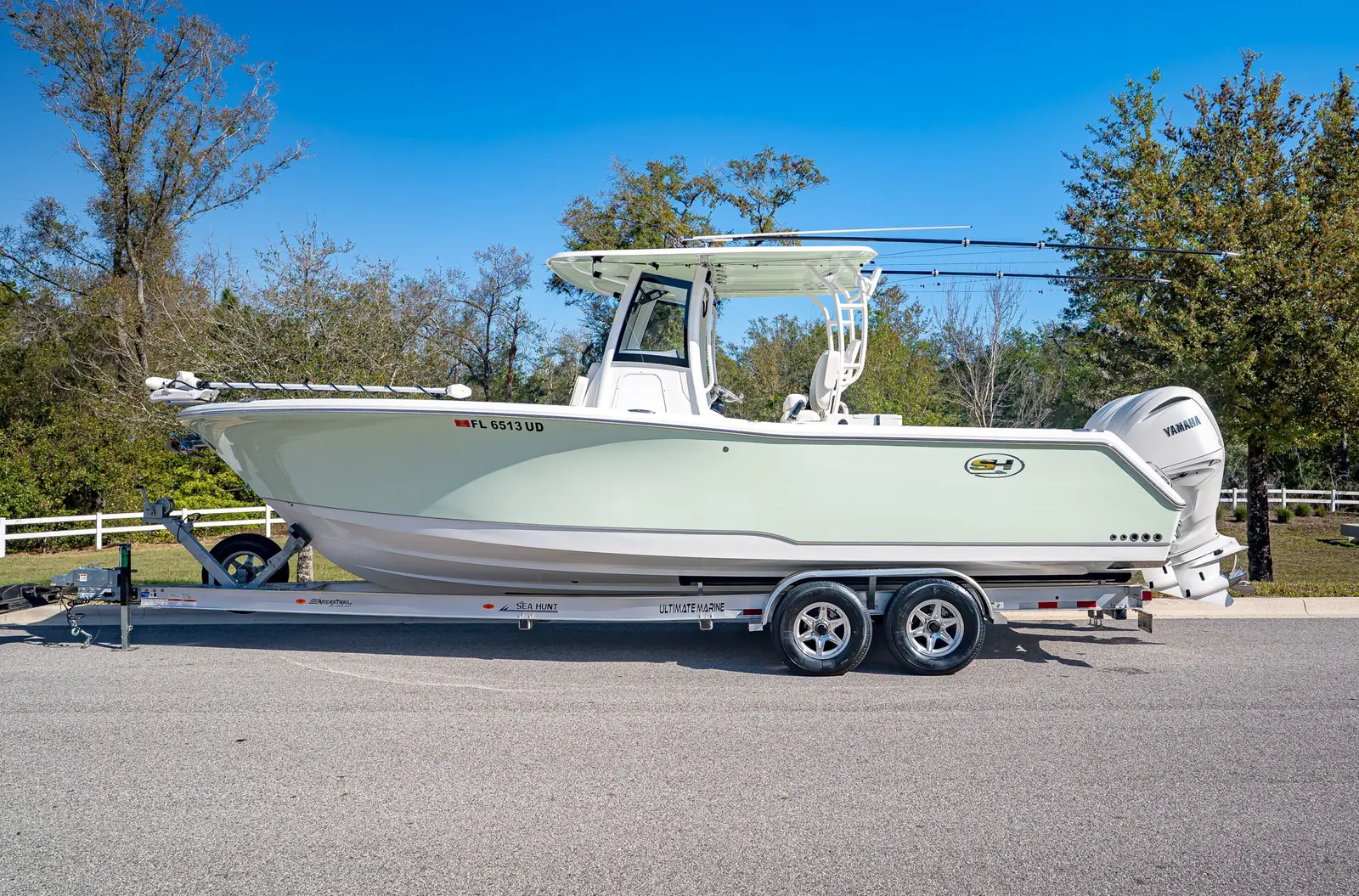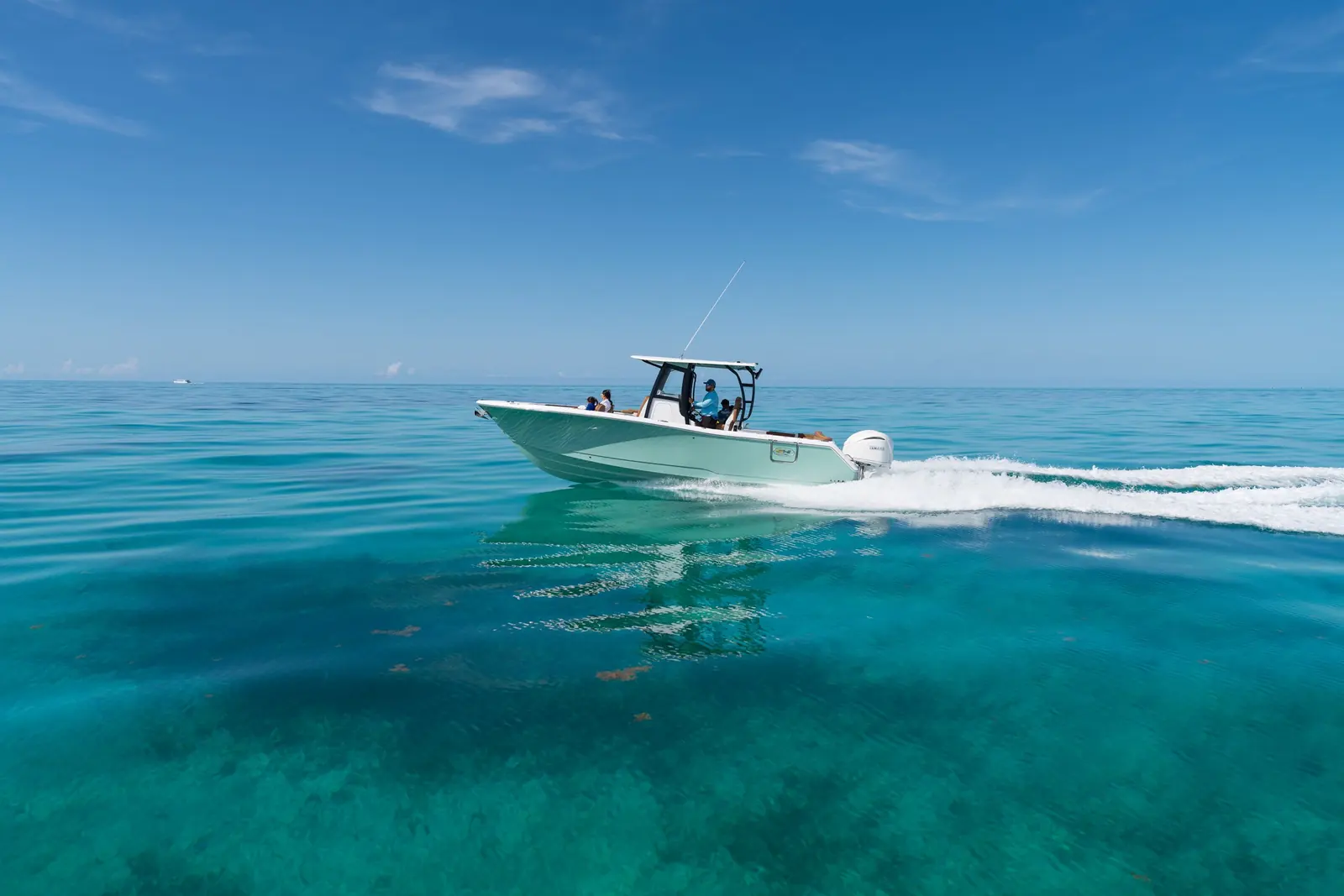



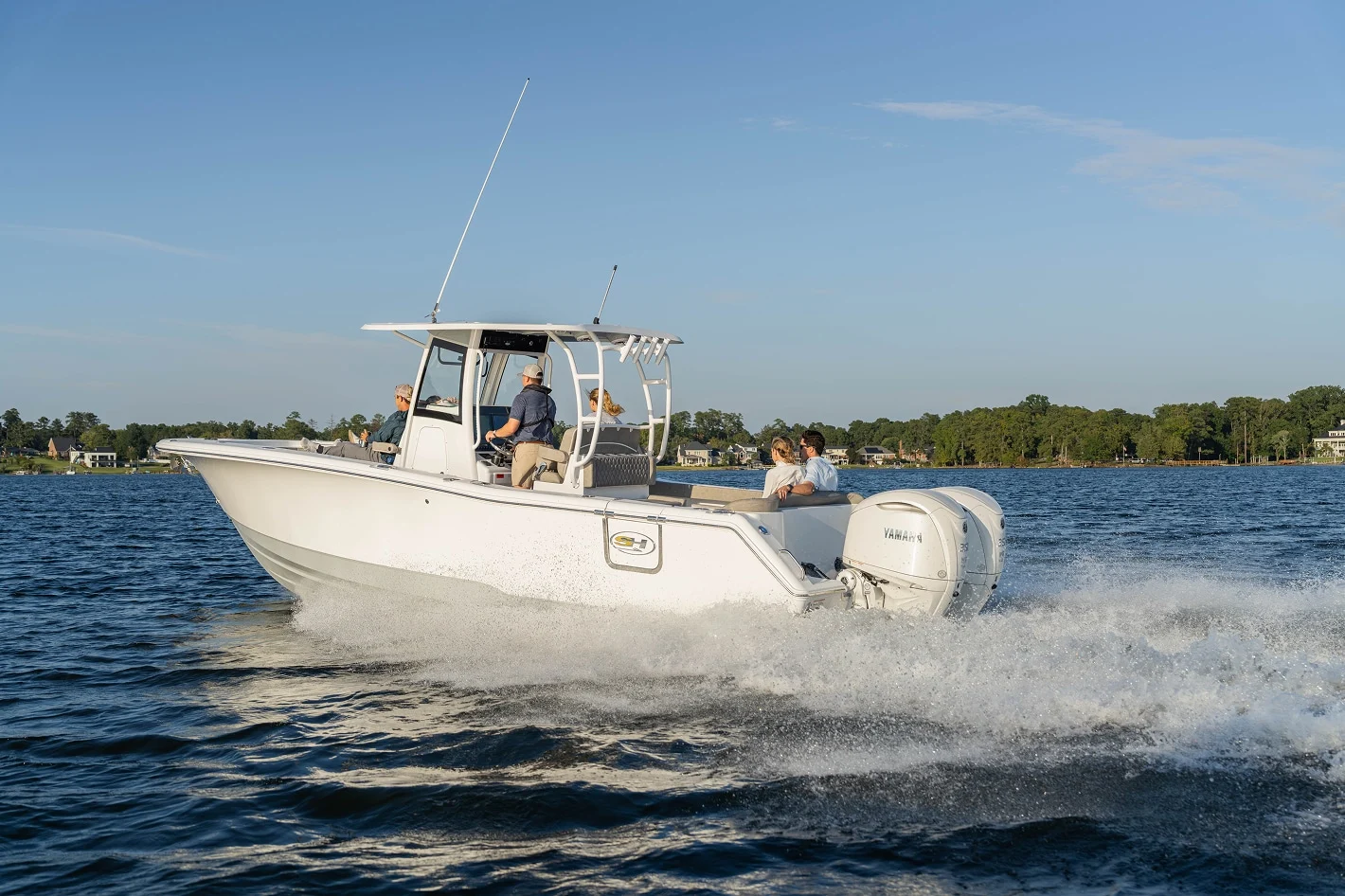
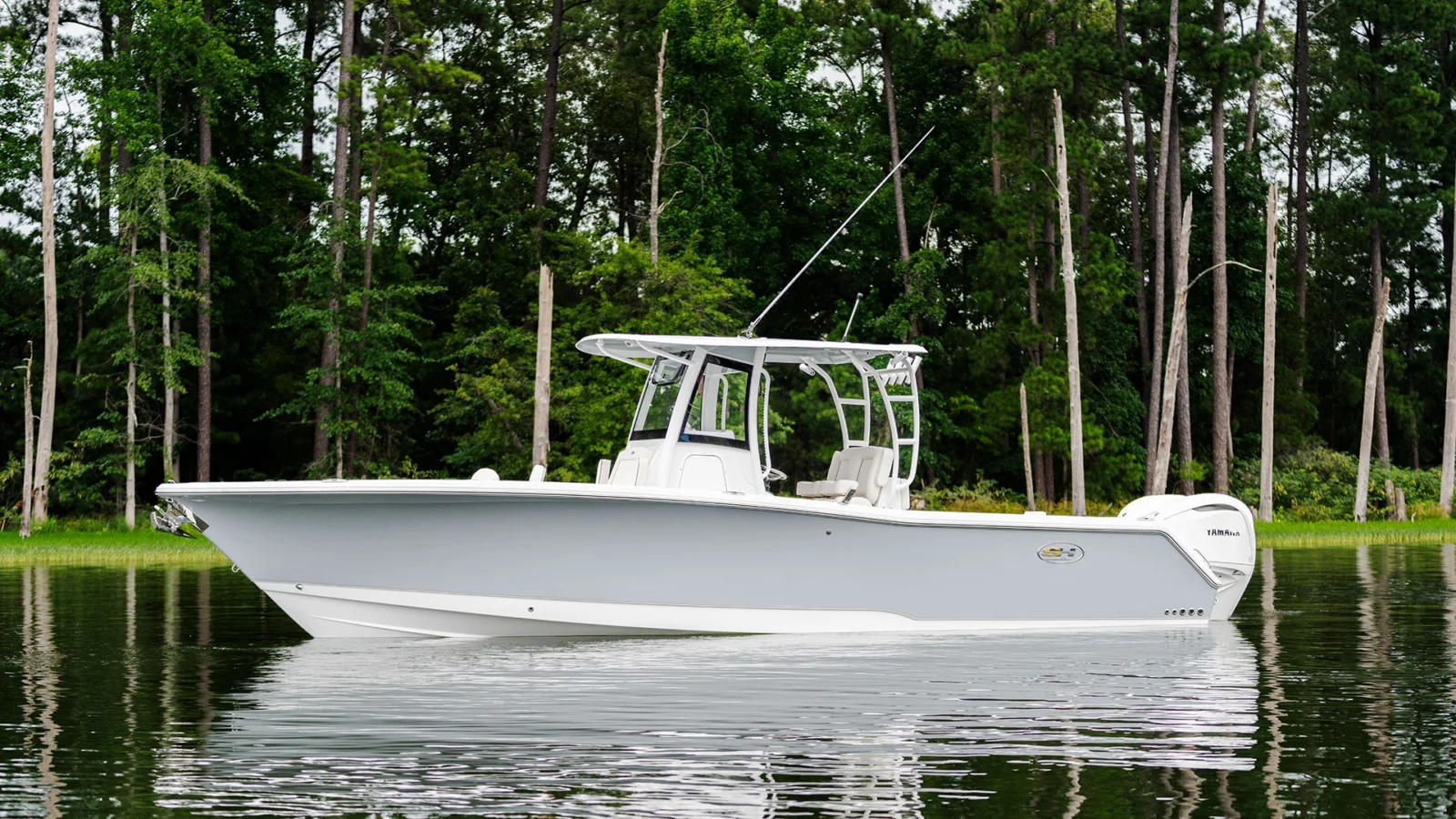




Sea Hunt Ultra review: Florida's family fishing boat
One center console that fishes in the morning and takes the family to the sandbar in the afternoon. Here's who each size suits.
In this article
Look at the Sea Hunt Ultra first if you want one center console for fishing and family days. Sea Hunt builds eleven Ultra SE and base models, from the 21-foot Ultra 219 on a single Yamaha to the 30-foot Ultra 305 SE on twin 300s. The small Ultras tow on Florida roads and fish the bay; the SE models add a T-top, side doors and a toilet; the twin-engine 265 SE and up are built for reef and offshore days. If you fish offshore nearly every trip, compare the Gamefish; if you live on the flats, compare the BX.
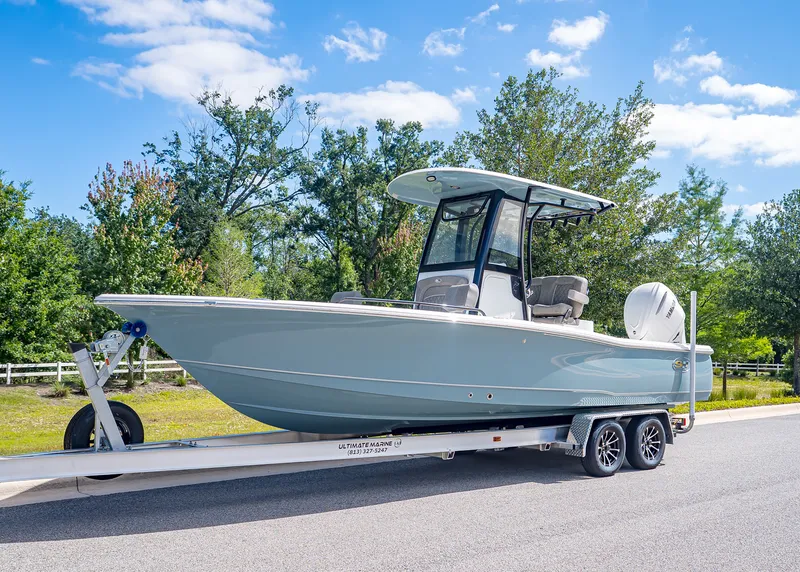
- First boat or smaller crew: the Ultra 219, 229 and 234 draw 13 inches and fit Florida's 8′ 6″ towing width.
- Comfort first: from the 235 SE up you get shade, a side door and trim tabs as standard; a toilet and windlass arrive at the 245 SE.
- Bigger water: the 265 SE to 305 SE run twin Yamahas with 145 to 230 gallons of fuel and a deeper 21-degree V at the transom.
Most first-time buyers think they must pick between a fishing boat and a family boat. For most Florida boaters that's a false choice, and the Sea Hunt Ultra is the proof. It's a center console with bow seating and shade, and it still carries a livewell, rod holders and a fishable cockpit.
This review covers what an Ultra is, what each step up the lineup adds and who it suits. If you already know you want an Ultra and need to pick a size, our Ultra size guide is the place for that. Specs and standard equipment come from our current model pages.
Why the Ultra suits most Florida families
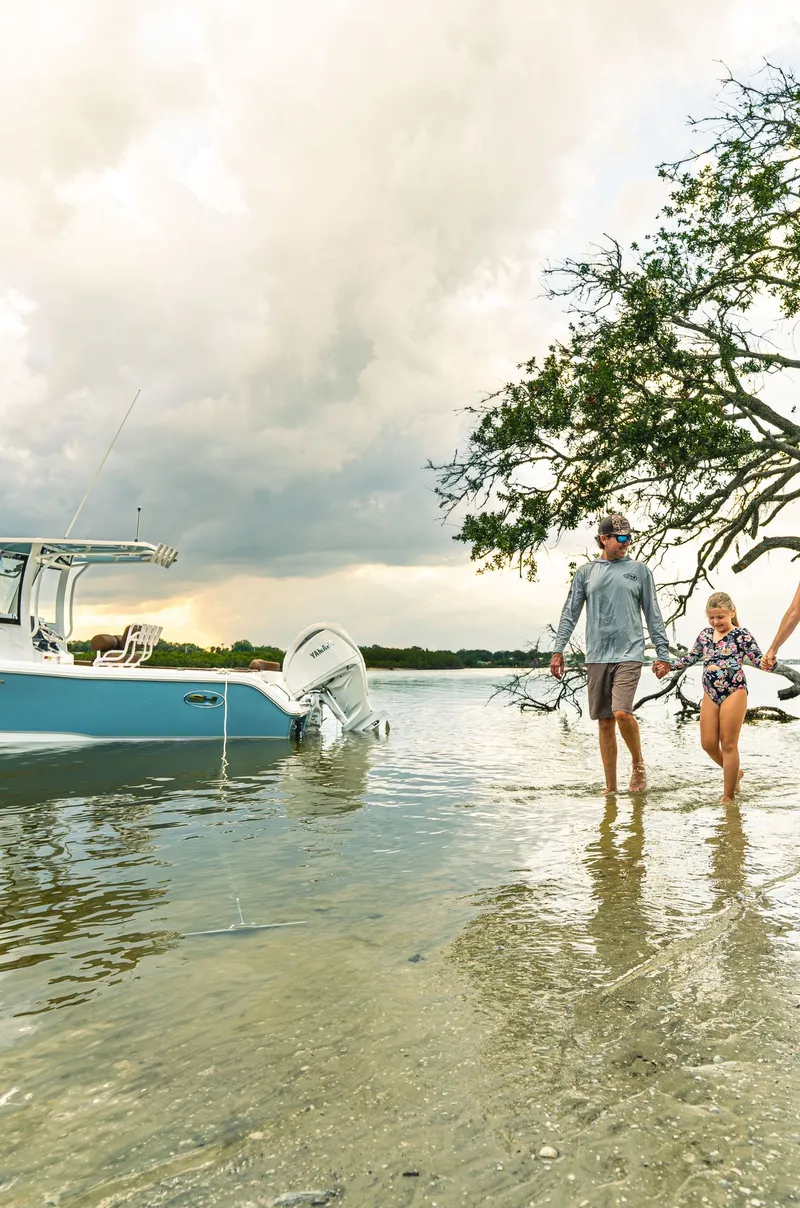
The Ultra is Sea Hunt's all-rounder. As an example, run the Indian River or Mosquito Lagoon for redfish and trout on Saturday morning, head out of New Smyrna for a nearshore kingfish on Sunday, then anchor at the sandbar with the kids swimming off the platform. One boat covers all three if you size it right.
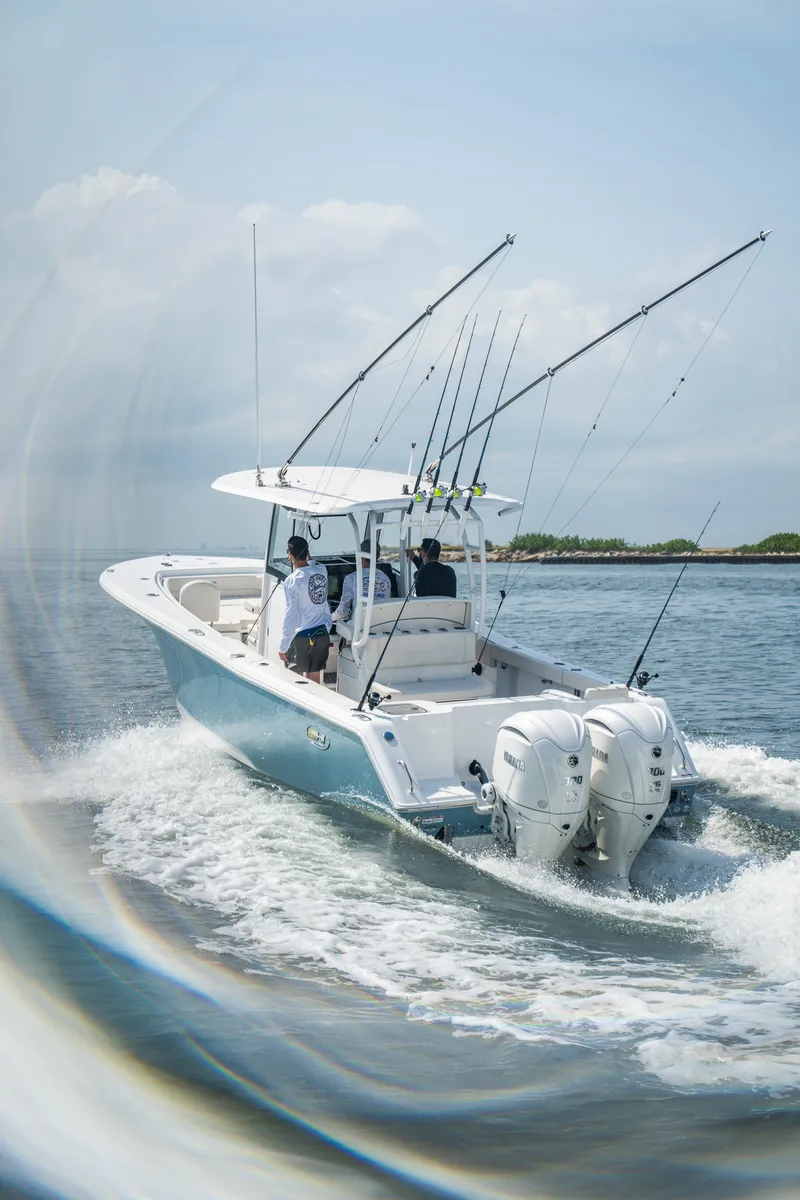
The fishing side. Every Ultra has a livewell as standard, from 15 gallons on the smaller boats to a 40-gallon mezzanine well on the 285 SE. Kingfish rod holders are an option across the line. The cockpit stays open enough for two or three anglers to work the stern.
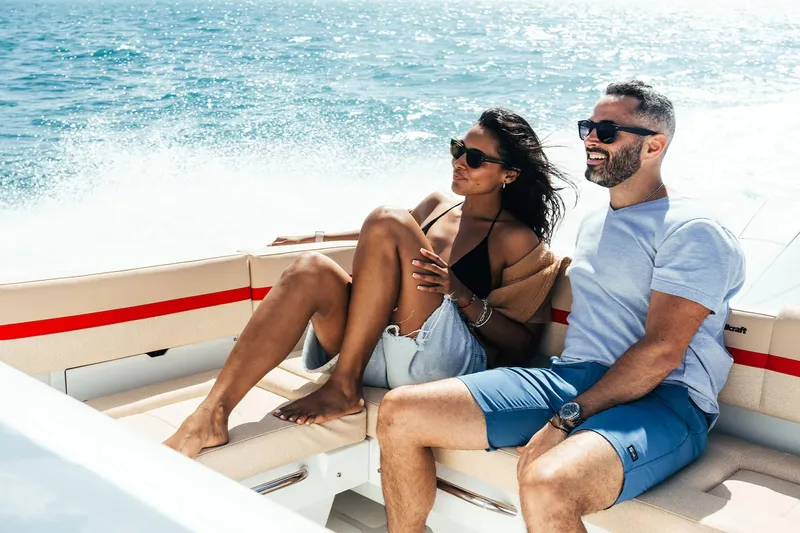
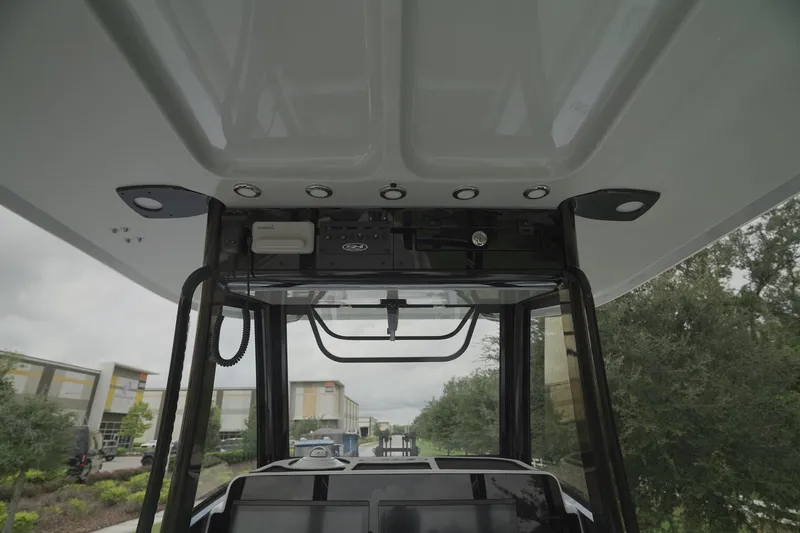
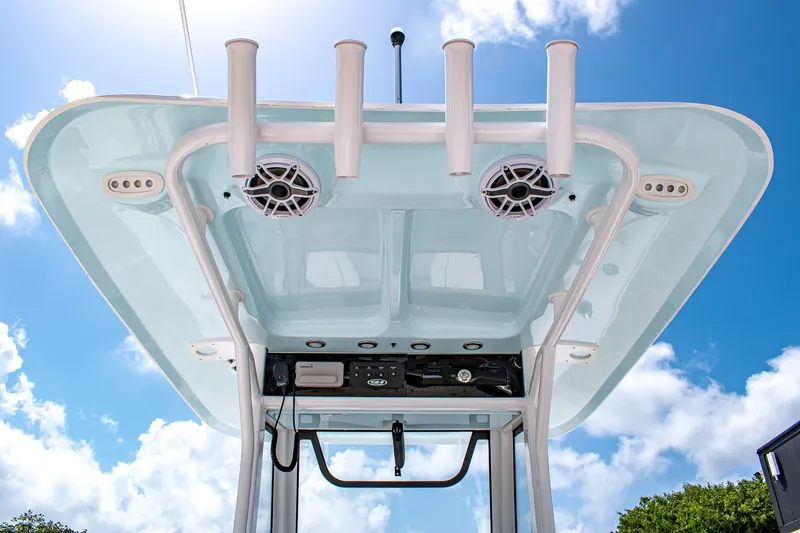
The family side. Bow backrests, bolsters and cushions are standard on every SE and base Ultra; the SL versions list a sun lounge instead. From the 235 SE up, Sea Hunt adds a fiberglass T-top with a mister system, a side entry door and a freshwater system. A toilet comes in at the 245 SE. In a Florida July, the T-top and the misters matter more than any spec on the sheet.
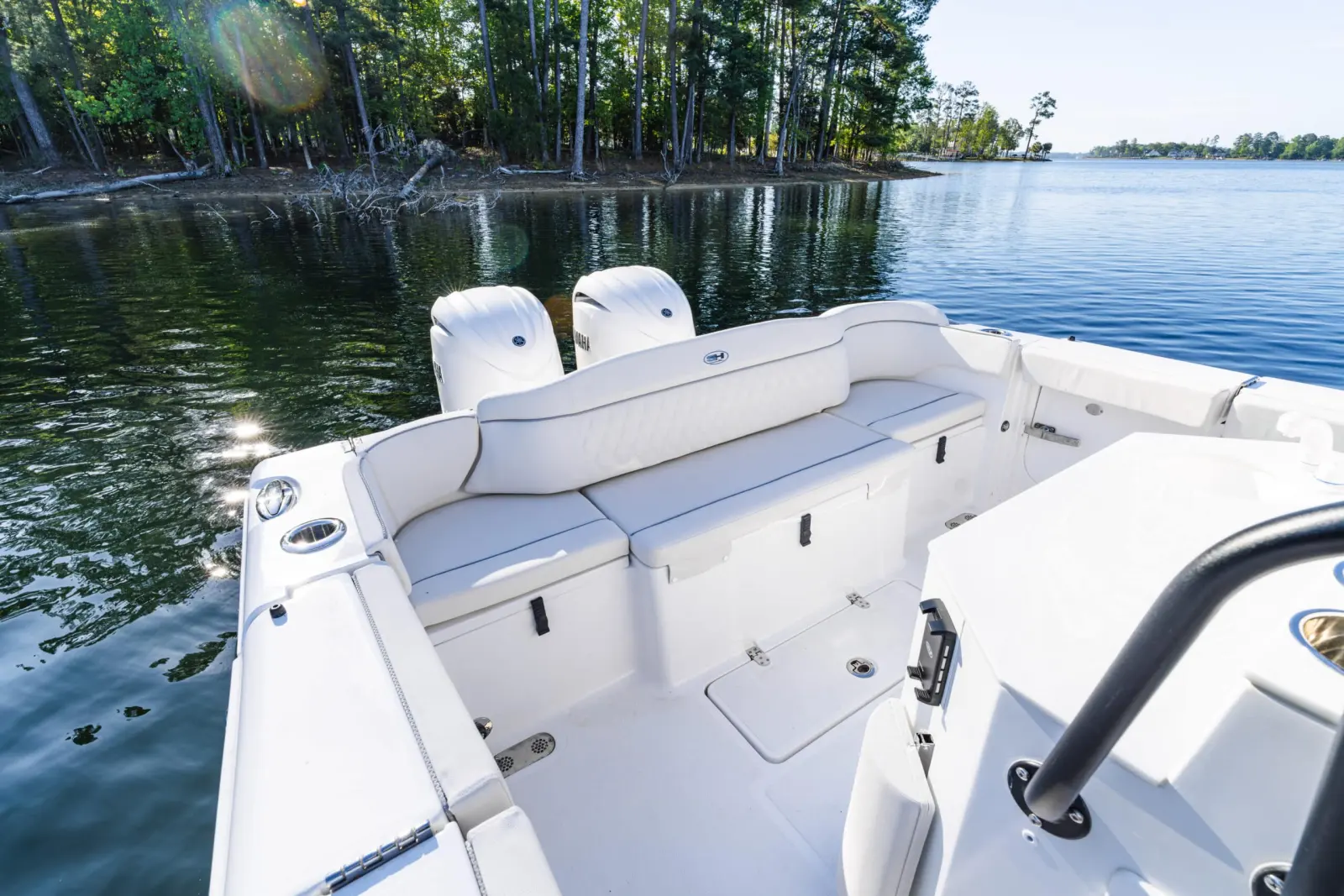
The honest trade-off: it isn't the most extreme tool in either direction. A Gamefish of the same length gives more of the deck to fish boxes and bait. A BX bay boat sits flatter and steadier on the flats. The Ultra wins when your calendar mixes both kinds of day, which describes most Florida families.
Sea Hunt Ultra sizes and specs
| Model | Length | Beam | Draft | Standard power | Max hp | Fuel |
|---|---|---|---|---|---|---|
| Ultra 219 | 21′ 4″ | 8′ 3″ | 13″ | Yamaha F150 | 200 | 60 gal |
| Ultra 229 | 22′ 8″ | 8′ 6″ | 13″ | Yamaha F150 | 250 | 83 gal |
| Ultra 234 and 235 SE | 23′ 7″ | 8′ 6″ | 13″ | Yamaha F200 | 250 | 96 gal |
| Ultra 239 SE and 245 SE | 24′ 3″ | 8′ 6″ | 14″ | Yamaha F300 | 300 | 96 gal |
| Ultra 255 SE | 24′ 11″ | 8′ 9″ | 14″ | Yamaha F300 | 350 | 120 gal |
| Ultra 265 SE | 26′ 5″ | 9′ 2″ | 21″ | Twin Yamaha F150 | 400 | 145 gal |
| Ultra 275 SE | 27′ 6″ | 9′ 6″ | 21″ | Twin Yamaha F200 | 500 | 180 gal |
| Ultra 285 SE | 28′ 6″ | 9′ 9″ | 21″ | Twin Yamaha F300 | 600 | 180 gal |
| Ultra 305 SE | 30′ 2″ | 9′ 9″ | 22″ | Twin Yamaha F300 | 700 | 230 gal |
Specs from our model pages, current model year. Max hp is the total transom rating. The 265, 275, 285 and 305 are also built as SL models on the same hull.
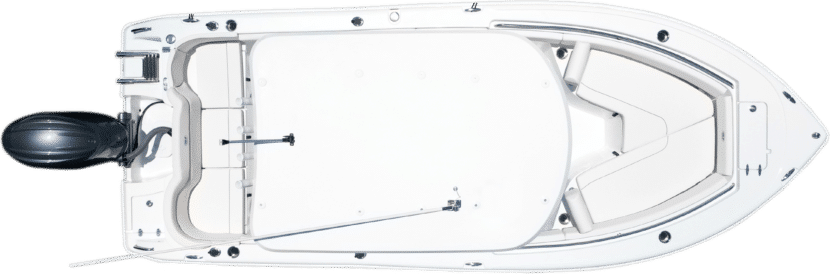
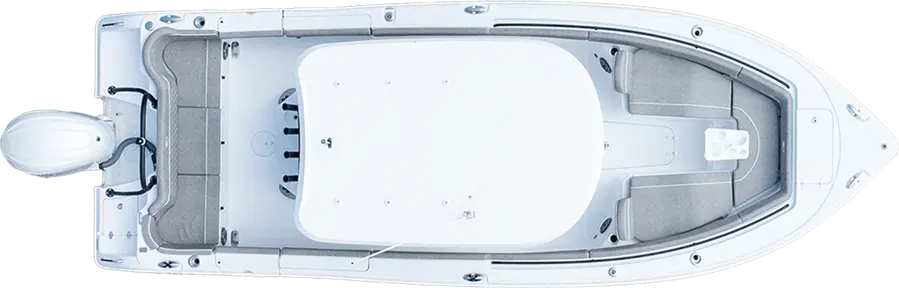
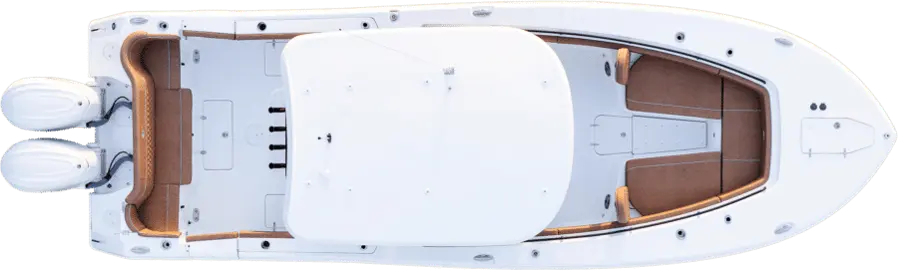
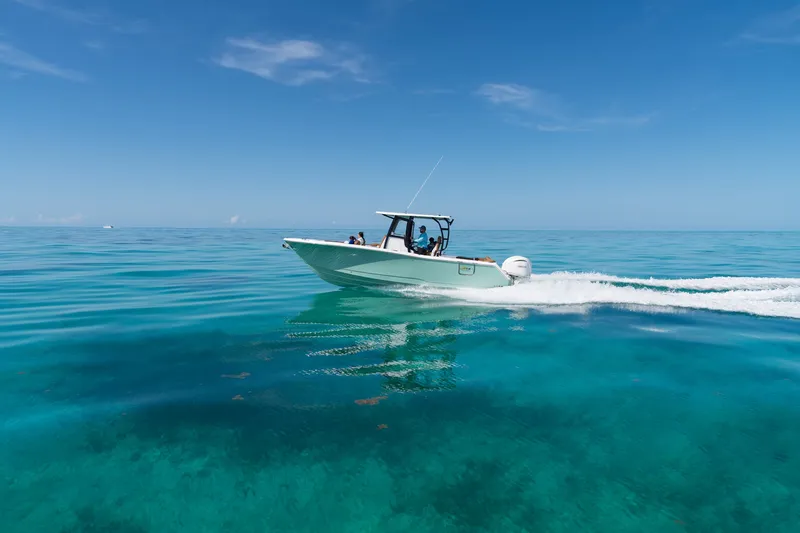
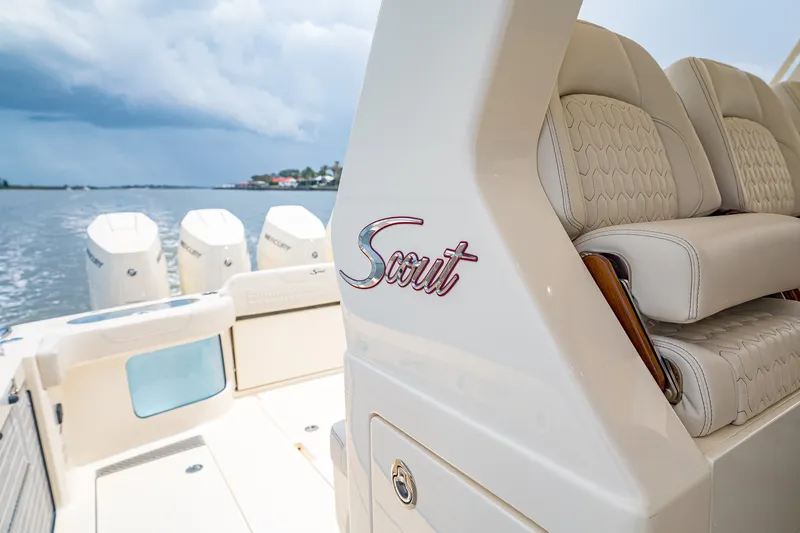
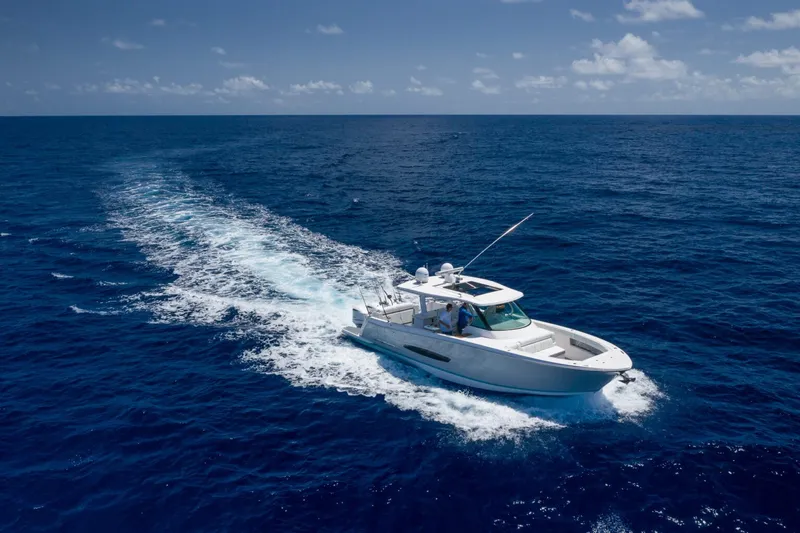
Ultra 219, 255 SE and 305 SE from above.
Two breaks in the table matter more than the rest. The first sits between the 245 SE and the 255 SE: beam goes from 8′ 6″ to 8′ 9″, which is the line for towing on Florida roads without a permit. The second sits between the 255 SE and the 265 SE: the boat goes from one engine to two, draft jumps from 14 to 21 inches, and fuel climbs from 120 to 145 gallons. Below the first break, you have a boat you can keep at home and launch anywhere. Above the second, you have a twin-engine offshore family boat that most owners keep on a lift or in dry storage. The sections below take the lineup in those three groups.
Ultra 219, 229 and 234: the simple, towable Ultras
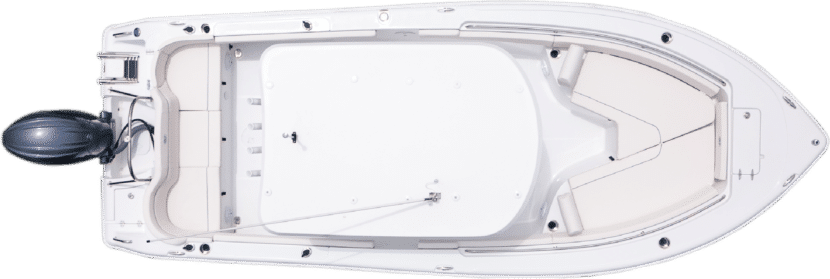
What they share. The three smallest Ultras use the same basic kit: an aluminum leaning post with captain's chairs, Yamaha hydraulic steering, a 9-inch Garmin with VHF, Yamaha digital gauges, a Bluetooth stereo, a wireless phone charger, bow cushions with backrests, and a 15-gallon livewell. Each draws 13 inches. None lists a T-top or trim tabs as standard, so most buyers add a fiberglass T-top with misters, trim tabs and a 12-inch Garmin from the option list.
How they differ. The 219 is 21′ 4″ on a single F150 with 60 gallons and the flattest bottom in the line, 16/20/55 deadrise. That feels steady when you stand to cast on a calm lagoon morning, and it pounds in a 2-foot chop. The 229 adds 16 inches, 23 more gallons and a sharper 18/22/55 V, and its transom takes up to an F250 (with electric steering when you choose the 250). The 234 adds 11 more inches, 96 gallons and an F200 as standard, plus bigger bow storage (140 and 92 quarts against 110 and 70).
Which one. For readers searching "Ultra 219 review", here's the short version: the 219 is the easiest Ultra to tow, store and launch, and it's right for the Indian River, the Banana River and calm days on Tampa Bay. If you'll cross open bays in the afternoon or run nearshore, the 229's sharper V and extra fuel are worth the step. If you want room for four anglers, take the 234. Our Ultra 219 vs 229 comparison goes deeper.
Ultra 235 SE to 255 SE: what the SE models add
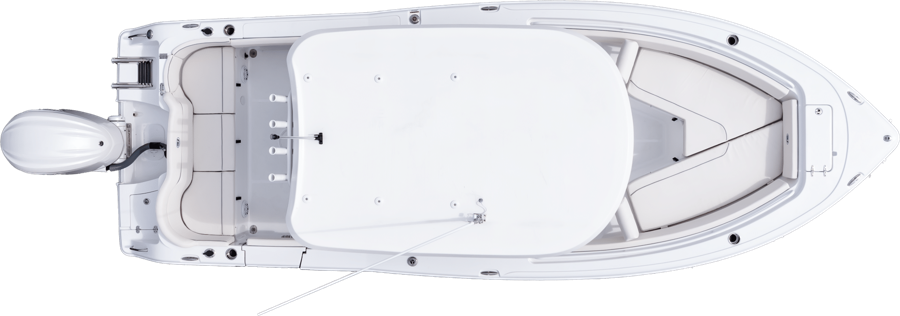
235 SE. It shares the 234's 23′ 7″ hull, 13-inch draft and F200, but Sea Hunt lists it at 3,800 pounds dry against 2,800 for the 234, and doesn't say why the two differ by that much. The SE list adds a fiberglass T-top with misters, a side entry door, Bennett trim tabs, underwater LEDs and a 10-gallon freshwater system. It's the smallest Ultra with the SE equipment list, and it still tows without a permit.
239 SE and 245 SE. Both are 24′ 3″ with an 8′ 6″ beam and a 14-inch draft, on a standard Yamaha F300 with electric steering. They step up to a 12-inch Garmin, Yamaha's CL5 touchscreen, a dual battery switch and the Ultra mezzanine leaning post. The 245 SE adds a toilet and a windlass anchor. If anyone in your crew asks "where's the bathroom?" before you've left the dock, that's the model to look at.
255 SE. The biggest single-engine Ultra is 24′ 11″ with an 8′ 9″ beam, 120 gallons and a 350 hp rating. The deck turns into a full family boat: dual side entry doors, a bow beverage center, a contoured bow cushion, a 60-quart mezzanine cooler, a 40-quart aft insulated box and a 19-gallon freshwater system. Its deadrise goes to 18/24/55, which softens the ride across a choppy bay.
The catch. The 255 SE's extra three inches of beam put it over Florida's 102-inch tow limit. Many owners still trailer it with an oversize permit; many more keep it on a lift or in dry stack. Decide where it lives before you fall for it.
Ultra 265 SE to 305 SE: twin engines and offshore range
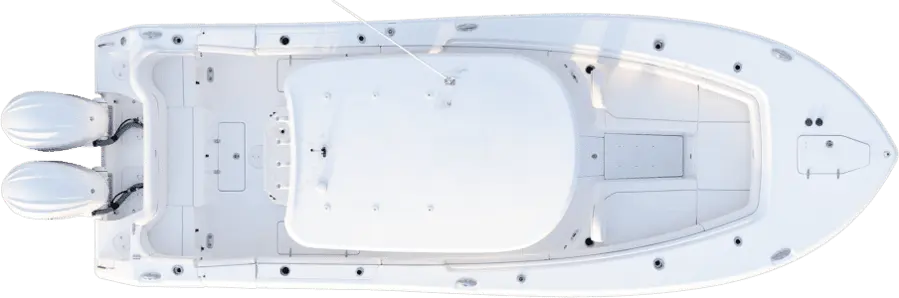
265 SE. Twin Yamaha F150s, 145 gallons, a 21/24/60 deadrise and a telescoping bow table. Two engines change the boat. If one fails 10 miles out with kids aboard, you idle home on the other, and twins let you pivot the boat at the dock by running one ahead and one astern. The cost is draft: 21 inches keeps you off the lagoon flats.
275 SE. Same family layout on 27′ 6″, with twin F200s and 180 gallons, plus a 20-gallon mezzanine livewell on top of the 10-gallon well. That fuel matches the Gamefish 27 CB, so this is the Ultra for family days that include a real reef or wreck run out of Port Canaveral or Tampa Bay.
285 SE. At 28′ 6″ by 9′ 9″ with twin F300s, it gets the most fishing kit in the line: a 40-gallon mezzanine livewell, two 200-quart fish boxes, dual 17-inch Garmins and a Yamaha autopilot as standard.
305 SE. The flagship is 30′ 2″ with 230 gallons, twin F300s on a 700 hp transom, and the Ultra Entertainment Center leaning post as standard. That post is a galley with a freshwater sink, a Corian countertop, a 35-quart cooler, a wine glass rack and dual wireless chargers. A Seakeeper package is optional, and it cuts roll at anchor, the main complaint about deep-V hulls on a sandbar day.
All four are wider than 9 feet, so plan on a lift, a slip or dry stack, and confirm your marina's weight limit (6,600 to 7,000 pounds dry for the 275 SE and up).
What do SE and SL mean, and which options change the boat?
SE vs SL. Sea Hunt builds the 265, 275, 285 and 305 in two bow layouts on the same hull, power and fuel. The SE lists bow storage lockers under the seating (148 quarts each side on the 265 SE). The SL lists a sun lounge with storage beneath it (256 quarts on the 265 SL, 320 on the 305 SL) and two 200-quart fish boxes. Walk both bows at the dealer; the difference is easier to feel than to read.
Leaning posts. This is the option that changes the boat most. Sea Hunt offers an aluminum post with captain's chairs on the smaller boats, a bait-tank post that adds live-bait capacity, the Ultra mezzanine post with flip-out footrests, and the Ultra Entertainment Center with its sink and cooler. An angler and a sandbar family can order the same hull and get two different boats.
Electronics and helm. On the bigger Ultras, dual 12-inch Garmins, a Yamaha autopilot and Yamaha Helm Master with Setpoint are on the option list. Helm Master's joystick docking is worth a test if you'll dock twins in a tight slip with current running.
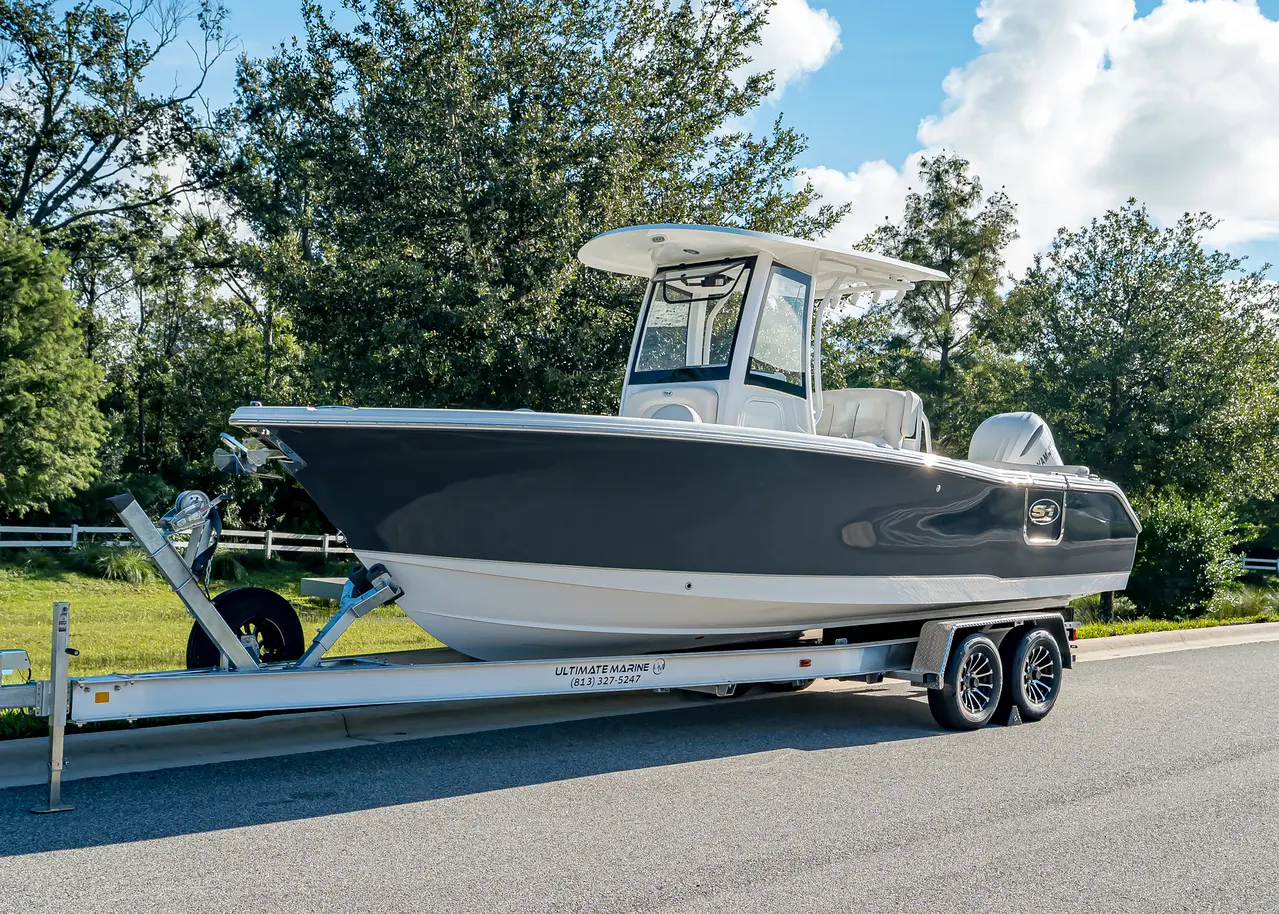
Color. Ashe Gray is one of Sea Hunt's gel coat colors, available on hull sides, hull bottoms and the underside of the T-top. Every Sea Hunt gel coat includes UV inhibitors. Ask which colors are offered on the model you like, and whether a darker hull will run warmer to the touch in the Florida sun.
Which Ultra is right for your crew?
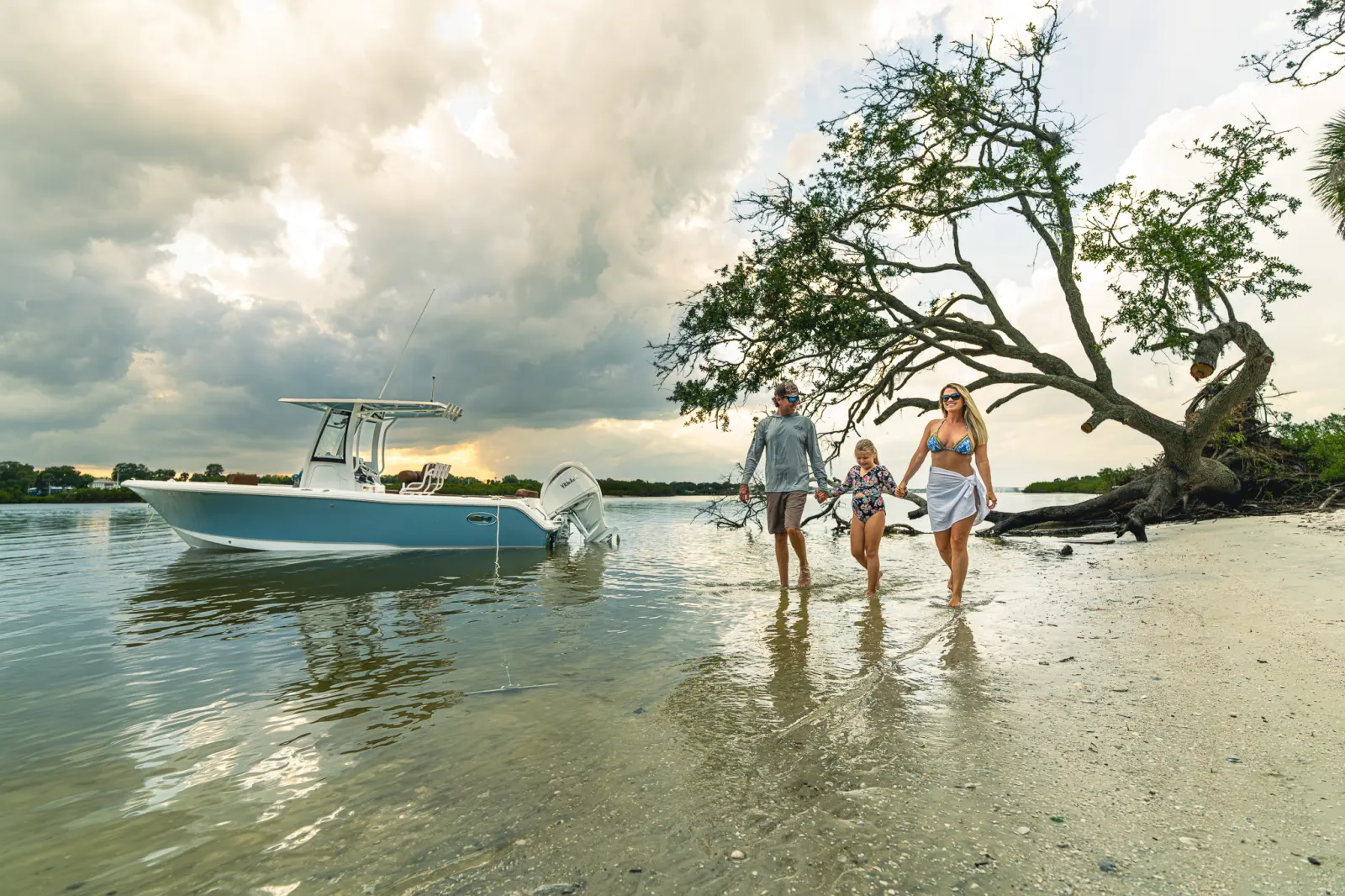
- First boat or a smaller crewStart with the Ultra 219 or 229. Easy to tow and plenty for the bay and calm nearshore days.
- Comfort is the priorityStep into the SE layouts (245 SE, 255 SE, 265 SE). Bow seating turns the front into a lounge, and the 255 SE and 265 SE add fuel for longer runs.
- Range and bigger waterThe 275 SE, 285 SE and 305 SE open up reef trips and longer Gulf runs, with 180 to 230 gallons of fuel.
Three examples show how the choice plays out. A couple who launch at a shallow ramp on the Indian River and fish two days a week will use every inch of a 219 or 229 and never miss the extra beam. A family of five who trailer to the Keys twice a year, but spend most Saturdays at a sandbar, will be happier in a 235 SE or 245 SE: it still tows without a permit, and the T-top and toilet keep everyone aboard past noon. A crew that wants weekend runs to a nearshore wreck should start at the 265 SE, because twins and 145 gallons are what make a 20-mile run feel routine.
Tell us how you spend your weekends
Where you launch, who comes along and what you fish for. We'll point you to two or three Ultras worth seeing.
Sea Hunt Ultra vs Gamefish: which do you need?
Inshore fishing, nearshore runs, sandbars and family time. It covers the widest range of how Florida families use the water.
Laid out for bluewater days chasing mahi, snapper, grouper and sailfish, with fishing first throughout.
The two series share hull sizes, so the choice is about layout. The Ultra 265 SE and the Gamefish 25 share a 9′ 2″ beam, 145 gallons, twin F150s and a 400 hp rating. The Ultra 275 SE and the Gamefish 27 CB match on length, beam, weight, fuel and engines. On the Gamefish side of each pair you get bigger bait wells and fish boxes; the CB models add a coffin box in the bow. On the Ultra side you get bow seating, backrests, a bow table and side doors on both sides.
Buy for your real calendar, not your dream one. Count last year's trips: if most were family weekends with a few hours of fishing, the Ultra fits; if most were offshore fishing with the same two friends, the Gamefish does.
Both series carry the same Sea Hunt hull warranty: a Ten-Year Hull Limited Warranty against structural defects in fiberglass material and workmanship, from delivery to the original purchaser. It can pass to a second owner for the remaining term if the transfer form is filed with Sea Hunt within 15 days. Limits apply (not gelcoat or cosmetic issues, not accident damage); see Sea Hunt's warranty terms.
Owning a Sea Hunt Ultra in Florida
Before you pick a size
Towing. Florida limits a vehicle and its load to 102 inches wide without a permit. Sea Hunt's dry weights leave out fuel, gear and the trailer, and gasoline adds about 6 pounds a gallon, so a full 96-gallon tank on a 234 adds close to 600 pounds. Weigh the whole rig before you trust a tow rating.
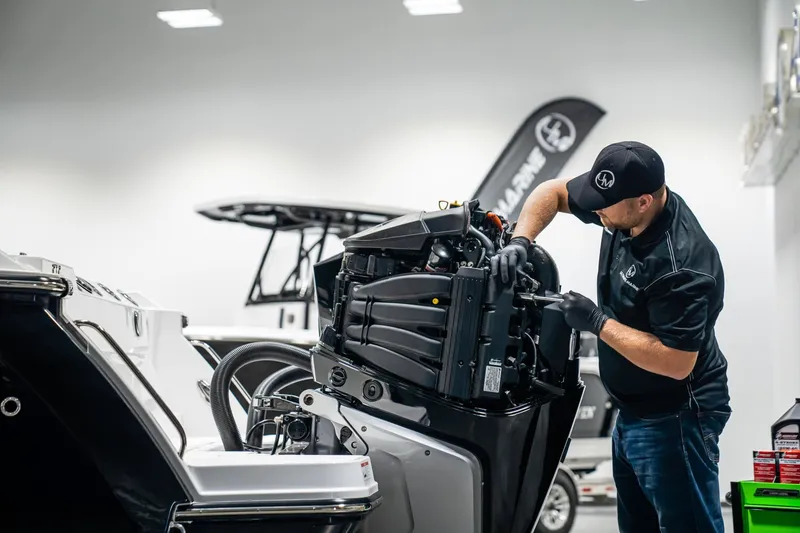
Care. Rinse the boat and flush the Yamaha with fresh water after every saltwater trip, and keep the helm and cushions covered between trips. A twin-engine Ultra means two sets of service items each season, so follow Yamaha's schedule for both.
Storms and the law. Hurricane season runs June 1 to November 30; know who moves your boat and where it goes before a storm forms. FWC requires anyone born on or after January 1, 1988 to carry a Boating Safety Education ID card to run a boat of 10 hp or more, which covers every Ultra.
Questions we hear
Is the Sea Hunt Ultra a good family boat?
Yes. Every SE and base Ultra comes with bow backrests, bow cushions and a livewell as standard, so it works for fishing, cruising and sandbar days. The SE models add a T-top with misters, side entry doors and a freshwater system, and the 245 SE and up add a toilet. Families who mostly sandbar and cruise should start with an SE; families who fish more than they lounge can save with a 229 or 234.
Is the Sea Hunt Ultra 219 a good boat?
The Ultra 219 is Sea Hunt's smallest Ultra: 21′ 4″, a single Yamaha F150, a 15-gallon livewell and a 13-inch draft. It's easy to tow and launch, and it suits the Indian River, Mosquito Lagoon's edges and calm bay days. Its flatter 16/20/55 hull pounds in open-water chop, and a T-top is optional. If you'll cross open bays often, look at the 229.
How much does a Sea Hunt Ultra cost?
It depends on the model, the engine package and the options, which range from a bait-tank leaning post to Helm Master and a Seakeeper on the bigger boats. Each model page on our site lists specs and standard equipment, and we can price the exact build you want. Ask us for current pricing on the Ultras you're comparing.
Can you fish offshore in a Sea Hunt Ultra?
The twin-engine Ultras (265 SE and up) handle nearshore and reef trips in the right conditions, with 145 to 230 gallons of fuel and a 21/24/60 or 21/23/60 deadrise. The 285 SE adds a 40-gallon mezzanine livewell and fish boxes. Single-engine Ultras are best kept to bays and fair-weather nearshore runs. For bluewater every trip, look at the Gamefish.
What is the difference between Sea Hunt Ultra SE and SL?
They share the same hull, power and fuel; the bow is what changes. The SE has bow storage lockers under the seating, while the SL has a sun lounge with storage under it plus two 200-quart fish boxes. Sea Hunt builds SL versions of the 265, 275, 285 and 305. Walk both at a dealer before you choose.