









Be a great boat passenger
Invited out on someone's boat? Here's how to be the guest they ask back: what to do, where to sit and how to help.
In this article
Follow the captain's instructions and listen to the safety briefing. Know where the life jackets are, and wear one when asked (in Florida, children under 6 must wear one underway on boats under 26 feet). Sit where you're told and stay seated while the boat moves. Keep gear stowed and trash aboard. Don't swim until the captain shuts the engine off. Tell the captain early if you feel sick. Help at the ramp or stay clear, and help clean up before you leave.
Boating has its own etiquette, and most of it exists for a practical reason. A boat is a small, moving space with a spinning propeller, slippery surfaces and one person legally responsible for everyone aboard. Good passenger habits keep people safe, keep the boat clean and let the captain concentrate on driving. This guide follows a Florida day on the water, from the briefing at the dock to saying thanks, and captains can send it to their crew before the trip.
Follow the captain's rules and respect the boat
The captain is responsible for the boat and everyone on it, so their instructions come first. Listen to the briefing before you leave the dock, even if you've been on boats before, because every boat is set up differently.
- Learn where the life jackets, the throwable cushion or ring, the fire extinguisher and the first-aid kit are stowed.
- Ask where the engine cut-off switch is and how it works. Federal law requires the operator of most boats under 26 feet to wear the cut-off link while on plane. If the captain goes overboard, someone aboard should know how to restart and stop the boat.
- Wear a life jacket when the captain asks you to.
- Don't distract the captain while they're docking, crossing an inlet or running in traffic.
- Stay away from the throttle, the helm and the switch panel unless you're asked to help.
If the captain gives you a job, such as handling a dock line or watching for crab-trap floats, do that job and say when it's done. If something worries you, from a smell of fuel to a child on the gunwale, tell the captain calmly and right away.
Treat the boat like it's theirs, because it is
- Gear. Stow your things where the captain suggests, and never let anything, especially plastic, go over the side.
- Shoes. Soft, light-colored, non-marking soles, or barefoot if the captain says it's fine. Black soles scuff white gelcoat.
- Sunscreen. Put it on before you step aboard. Spray drifts onto the deck and cushions and makes nonskid slippery.
- The head. Ask before you use the toilet; some boats have a holding tank with its own rules.
- Fish. Ask where the catch goes, and keep blood and bait off the cushions.
What are the life jacket rules for boat passengers in Florida?
Florida law requires every boat to carry a wearable, Coast Guard-approved life jacket for each person aboard, sized to fit and easy to reach, plus a throwable on boats 16 feet and longer. A child under 6 must wear one aboard a boat under 26 feet while it's underway, which includes drifting. Anyone on a personal watercraft or water skiing must wear a non-inflatable jacket (FWC; Florida Statute 327.37).
Adults on a regular boat don't have to wear one at all times, but FWC urges everyone to. Wear it whenever the captain asks, in rough water, crossing an inlet, and always if you're not a strong swimmer. If you bring your own well-fitting jacket, tell the captain so they can count it. The rest of the state's rules are in our Florida boating laws guide.
Where should you sit on a boat?
Stay seated while the boat is moving, and keep a hand on a grab rail in rough water.
And don't stand on the seats or dangle legs over the side.
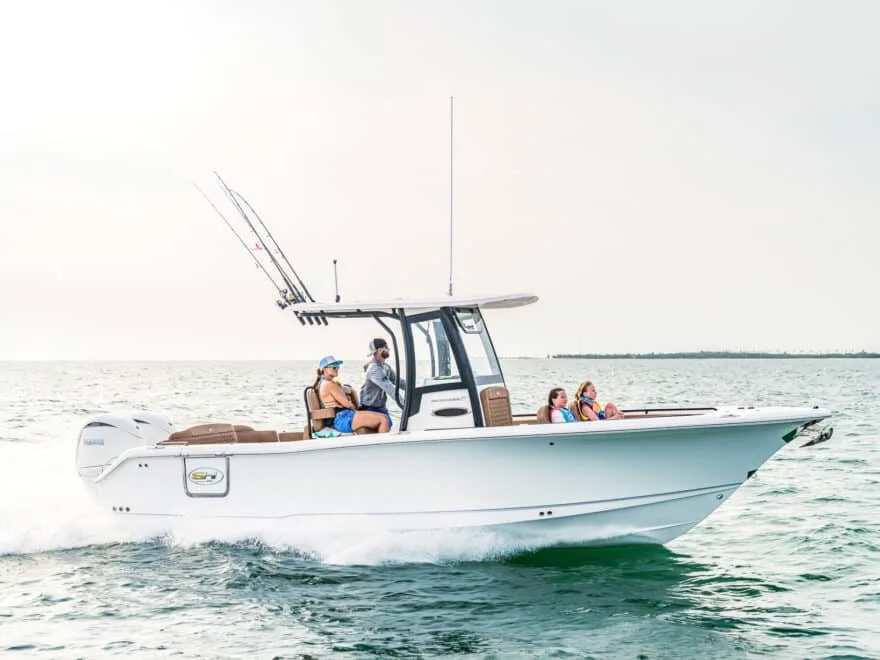
Seating rules exist because boats move in ways cars don't. When a boat hits a wake, the bow lifts and drops, and anyone perched on the gunwale, the bow or a seat back can be thrown overboard in front of the hull. Florida treats operating in a way that endangers people as careless operation, so a captain who tells you to sit down is protecting you and their license.
In a chop the bow rides hardest, so move aft if the captain suggests it. On a smaller boat, move one at a time and tell the captain before you shift around, and wait for the go-ahead before you stand to cast or take a photo while moving.
When can you swim off a boat?
Wait until the captain says it's okay. The engine must be off and the boat at rest, so nobody is near a spinning propeller, and the captain needs to know where everyone is. Before restarting, the captain should check that no one is near the stern, so call out if you're still in the water.
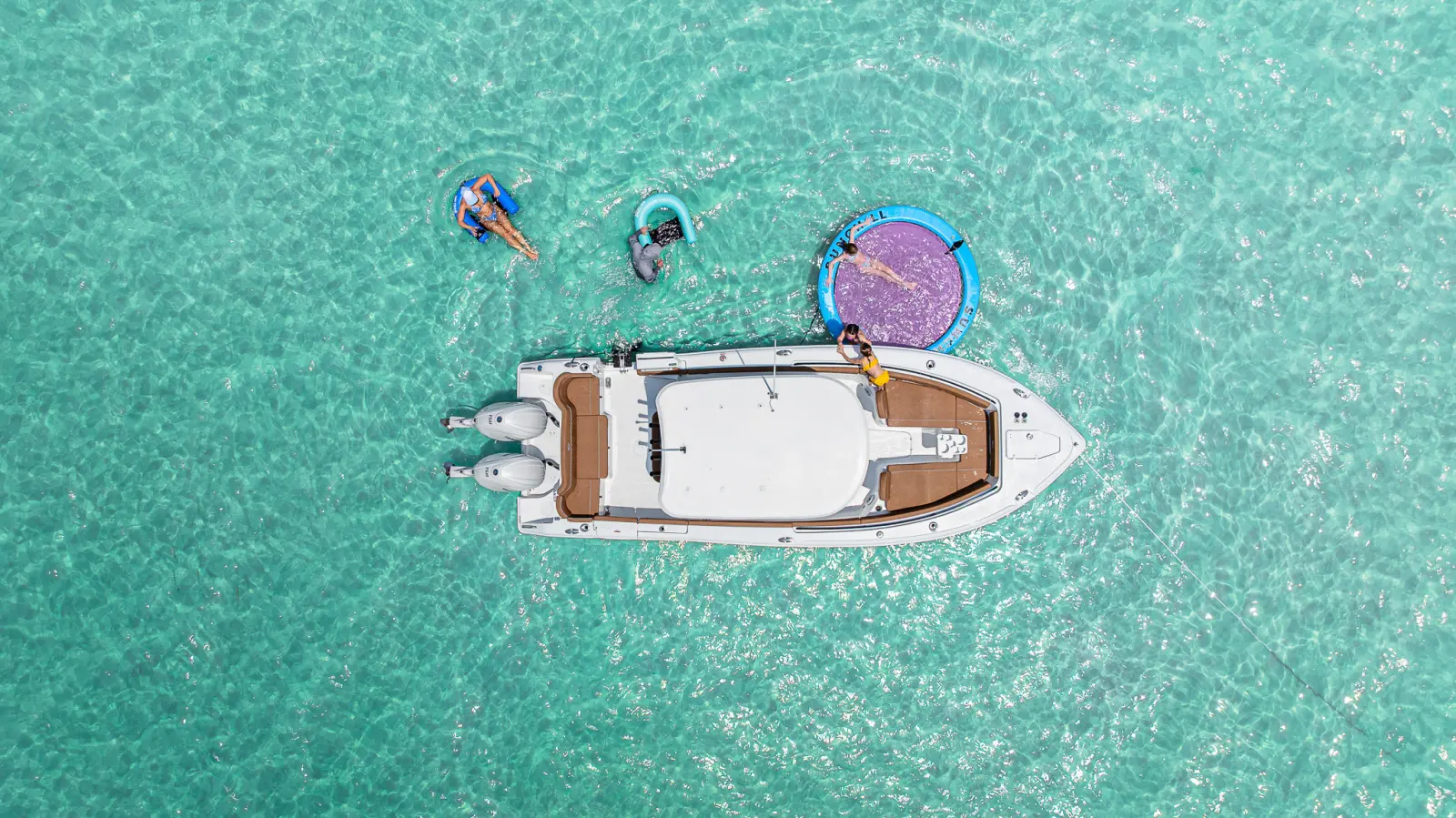
Never swim near the stern or the swim platform while the engine is running. Exhaust carries carbon monoxide, which the Coast Guard warns can harm and even kill you inside or outside a boat.
Inlets and passes run strong tidal current, so swim only where the captain picks. If you're snorkeling, the boat should fly a divers-down flag; FWC asks other boaters to stay at least 300 feet away in open water and 100 feet in rivers, inlets and channels. Climb back aboard at the ladder, one at a time. Early carbon monoxide symptoms look like seasickness or too much to drink, so a swimmer who feels dizzy near the platform needs fresh air and the captain needs to know.
What should you do if you get seasick?
- Start earlyIf you get motion sickness, ask a pharmacist or doctor about a remedy before the trip; the CDC notes that many motion sickness medicines cause drowsiness. Ginger candy is a commonly suggested option.
- Eat light and drink waterThe CDC suggests small amounts of food, plenty of water, and limiting alcohol and caffeine.
- Speak upTell the captain and the others you don't feel well. There's no shame in it.
- Stay on deckSit down where there's fresh air. Don't go below; it gets worse.
- Watch the horizonBreathe deeply. Lying down and closing your eyes may help.
Seasickness happens when what your eyes see doesn't match the motion your inner ear feels. That's why a steady view of the horizon helps and reading a phone makes it worse. Sit near the middle and back of the boat, where motion is smallest, and stay out of the exhaust fumes at the stern. If you need to be sick, use the downwind side and tell someone, so they can keep an eye on you at the rail. Seasickness slows your reactions, so take it easy, keep your life jacket on, and save your energy for the ride home.
How should passengers handle Florida sun and storms, and what should you bring?
Summer in Florida brings two things every guest should plan for: strong sun and fast afternoon thunderstorms. Pack for the sun: a wide hat, polarized sunglasses, a long-sleeve sun shirt and more water than you think you need. A T-top helps, but reflected glare off the water burns you under shade too.
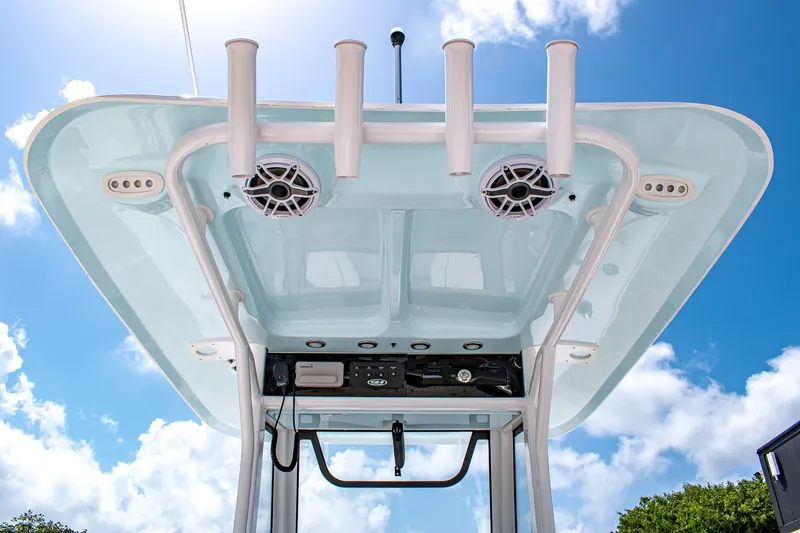
Storms build quickly in the afternoon, especially in summer. The National Weather Service warns that all thunderstorms produce lightning and that storms can bring sudden gusts, waterspouts and heavy rain. When the captain decides to head in early, help pack up quickly and don't argue for one more drift. If a storm catches the boat, the NWS advice is to stay inside if the boat has a cabin and avoid touching metal or electrical equipment, and to stay as low as you can if it doesn't. Put on a life jacket, sit low in the middle of the boat, and keep your hands off the T-top frame and rails.
Winter cold fronts can turn a sunny morning into a wet ride home, so bring a light rain jacket year-round. In summer, watch each other for heat trouble: someone who turns pale, dizzy or stops sweating needs shade, water and the captain's attention.
What to bring as a guest
Pack it all in a soft bag. Space on a boat is tight, and a soft bag stows far more easily than a hard cooler or a rolling suitcase.
Can passengers drink alcohol on a boat?
Florida's alcohol limit is on the person driving, not the guests. Under Florida law, an operator is presumed under the influence at .08 or higher, and an operator under 21 violates the law at .02. Passengers aren't held to that limit, but etiquette still applies.
- Never pressure the captain to have "just one". They're driving home through wakes and maybe an inlet.
- Drink more water than anything else; sun and wind dehydrate you fast.
- Ask before you bring glass. Broken glass on a barefoot deck is a real hazard.
- Know your limits. Falls are more likely when you're unsteady, and alcohol makes seasickness worse.
On a long day, it helps if one adult besides the captain stays fully sober, so someone can stop the boat and use the radio if the captain is hurt or falls overboard.
How can a passenger help at the boat ramp?
Help the captain load gear in the staging area, not on the ramp itself. Then take the job you're given, such as holding the bow line while the captain parks the truck, or stay out of the way so the ramp keeps moving. Our guide to boat ramp etiquette covers the rest.
How do you get off the boat and thank the captain?
Sit still while the boat docks unless you have a job, and never put a hand or foot between the boat and a piling; let the fenders do that. Step off when the captain says to. Offer to chip in for fuel or bait, stay to help until the boat is put away (carry coolers, wipe seats, take the trash), and send a short thank-you text afterward. That's how guests get invited back.
Questions we hear
What are the rules for boat passengers?
Follow the captain's instructions and listen to the safety briefing. Sit in the designated seats and stay seated while the boat moves; don't ride on the bow, gunwale or seat backs. Wear a life jacket when asked, and always if you're a weak swimmer. Keep gear stowed and trash aboard. Don't swim until the captain turns the engine off. Tell the captain early if you feel sick or see something wrong.
Do adult passengers have to wear a life jacket in Florida?
Not on a regular boat. Florida law requires a wearable Coast Guard-approved life jacket aboard for each person, sized to fit and easy to reach, and FWC urges everyone to wear one. Children under 6 must wear one on a boat under 26 feet that's underway. Anyone on a personal watercraft, and anyone water skiing or doing a similar towed activity, must wear a non-inflatable life jacket.
Where should passengers sit on a boat?
In the designated seats, never anywhere the captain says not to, and seated while the boat is moving. Don't ride on the bow, the gunwale or seat backs, where a wave can throw you overboard in front of the boat. In a chop, sit toward the middle and back, where the motion is smallest. Move one at a time on a small boat, and keep a hand on a grab rail.
What should you do if you feel seasick on a boat?
Tell the captain, sit on deck in fresh air near the middle and back of the boat, watch the horizon and breathe deeply. Don't go below or read your phone. The CDC suggests small amounts of food, water, limiting alcohol and caffeine, and ginger candy. Remedies work best taken before you board; ask a pharmacist or doctor, since many cause drowsiness.
What should I bring as a guest on a boat?
Sunscreen applied before you arrive, a hat, polarized sunglasses and a sun shirt; plenty of water and your share of ice and snacks; non-marking shoes; a light rain jacket; a dry bag for your phone and keys; and a bag for your trash. Bring your seasickness remedy and your own life jacket if you have one that fits. Pack it all in a soft bag.