




Central Florida fishing spots
Seven places to fish within reach of Orlando, from the Kissimmee Chain's bass lakes to the redfish flats of Mosquito Lagoon, with the local rules that catch visitors out.
In this article
- Bass and crappie: Lake Toho, Lake Kissimmee, Lake Okeechobee and the lakes along the St. Johns River.
- Redfish and trout: Mosquito Lagoon, where FWC rules make redfish catch-and-release only. Snook, redfish, bluefish and Spanish mackerel: Sebastian Inlet. Snook, redfish and trout: Tampa Bay.
- Most anglers need a Florida fishing license; exemptions include anglers under 16 and resident seniors 65 and older. Snook also need a permit, and seasons differ by region.
Central Florida gives you two kinds of fishing an hour apart. Inland, the grassy lakes of the Kissimmee Chain and the slow, dark St. Johns River hold Florida largemouth bass and crappie. On the coast, redfish, trout and snook push onto grass flats a foot deep. Here are seven places, what lives there and the local rules that matter.
| Spot | Water | Commonly caught |
|---|---|---|
| Lake Toho | Fresh | Florida bass, bluegill, redear sunfish, black crappie |
| Lake Kissimmee | Fresh | Florida bass, bluegill, redear sunfish, black crappie |
| Lake Okeechobee | Fresh | Florida bass, black crappie, bluegill, redear sunfish |
| St. Johns River and lakes | Fresh, tidal near Lake George | Florida bass, bluegill, redear, striped bass, bullhead, crappie |
| Mosquito Lagoon | Brackish | Spotted seatrout, flounder, red drum (catch-and-release) |
| Sebastian Inlet | Salt | Snook, redfish, bluefish, Spanish mackerel |
| Tampa Bay | Salt and brackish | Snook, redfish, trout |
From FWC fishing-site pages and regional rules, Merritt Island NWR and Florida State Parks. Check FWC for seasons, size and bag limits.
Reports change weekly; the places don't. Plan with the spots below, then check FWC's current forecast or saltwater rules before you go.
Lake Toho and Lake Kissimmee: where to start for bass
1. Lake Toho (Lake Tohopekaliga)
Lake Toho is an 18,810-acre lake southeast of the city of Kissimmee, which makes it one of the closest big bass lakes to Orlando. FWC's forecast points anglers to flowing water: after a rain, bass concentrate where water moves, and the mouth of Shingle Creek, the St. Cloud canal and Partins Ditch have historically been good spots. When the water isn't moving, work native vegetation such as bulrush and Illinois pondweed, and the open pockets and edges of hydrilla. Little Grassy Island, Goblets Cove and North Steer Beach are the suggested starting areas, with golden shiners as live bait or crankbaits, spinnerbaits and plastic worms. FWC has also placed fish attractors in the lake and publishes a map of them. Both belong to the Kissimmee Chain of Lakes in Osceola County, the headwaters of Lake Okeechobee and the Everglades.
Toho is also a crappie lake. As the weather cools, drift live minnows in open water near the mouth of Shingle Creek, Little Grassy Island and Goblets Cove.
2. Lake Kissimmee
Lake Kissimmee is bigger and wilder: 34,948 acres, about 40 miles south of Orlando and 18 miles east of Lake Wales, with fish camps around it. In fall, try for bass between Shady Oaks Fish Camp and the Rocks at the south end near State Road 60, into open pockets in hydrilla and along the edges of bulrush, cattails and pondweed. Osceola Slough, Philadelphia Point and the Pig Trail are named for bass, and Bird, Brahma, Rabbit and Grassy islands for bluegill.
Both lakes are shallow, grassy and open to the wind. On a breezy afternoon, a 2-foot chop builds fast across Kissimmee's open water, so a bass boat or a dry, stable bay boat is more comfortable than a low-sided skiff. Both are part of FWC's TrophyCatch program, which rewards anglers who document and release bass of 8 pounds or more.
Lake Okeechobee: what to know before you fish the Big O
3. Lake Okeechobee
Okeechobee is Florida's biggest lake and the second-biggest body of fresh water in the contiguous United States: about 730 square miles, but averaging only about nine feet deep. It sits on the south-central part of the peninsula, a longer drive from Orlando than the Kissimmee Chain. The lake is nationally recognized for its largemouth bass and black crappie fisheries, and the Kissimmee River is one of its major natural tributaries, so the bass you chase on Toho live in the same water system.
Read FWC's lake page before you go, because the lake changes with its water level. FWC and the U.S. Army Corps of Engineers publish a map of rock hazards in the southwestern part of the lake, and shallow marsh areas get harder to reach as the water drops. If you're new to the lake, go out with a guide, especially in low water.
Okeechobee rules and timing
The checklist covers rules that surprise visitors. The bass rule isn't a minimum size; it limits you to one fish of 16 inches or more, so you can keep a smaller limit for dinner and still release the big one for a TrophyCatch photo. The crappie rule is the opposite: anything under 10 inches goes back. Plan winter trips around the speck season, and summer trips around early mornings, when the heat and the afternoon storms are easiest to work around.
St. Johns River: which lakes and stretches to fish
4. St. Johns River and its lakes
The St. Johns flows north, and its lower stretch is about 140 miles that run through or connect to more than half a dozen natural lakes, from 380 to 40,000 acres: Little Lake George, Lake George, Lake Dexter, Stagger Mud Lake, Lake Beresford, Lake Monroe, Lake Jesup, Lake Harney and Puzzle Lake. Each reach fishes differently. Between Puzzle Lake and Lake Harney it's shallow with sandbars and wide floodplain. From Harney to Monroe it's deeper, with side channels. Between Monroe and Lake George it's partly channelized with oxbows, and above Lake George the river is more tidal, deeper and holds more marine species.
The system holds Florida bass, bluegill, redear sunfish, striped bass and brown bullhead. In fall, usually mid- to late October, striped and sunshine bass leave their cool-water refuges and gather near bridge pilings, jetties and channel markers, and in sharp bends near Mullet Lake when the river runs high. Cooler weather also starts crappie season: Lakes Jesup, Beresford and Harney are popular crappie lakes, with Woodruff and Dexter also productive.
The river suits a different boat from the big lakes. Ramps are scattered, the channel winds, and parts of the marsh are only inches deep, so a shallow-draft boat with a trolling motor shines here. Watch for manatee speed zones along the river, especially near the springs, and give the sandbars between Puzzle Lake and Harney respect at low water. An example: launching near Sanford, you can fish Lake Monroe's shoreline in the morning and run the river toward Lake Harney for crappie in the afternoon, without ever seeing salt water.
Mosquito Lagoon: redfish, trout and the rules on the flats
5. Mosquito Lagoon
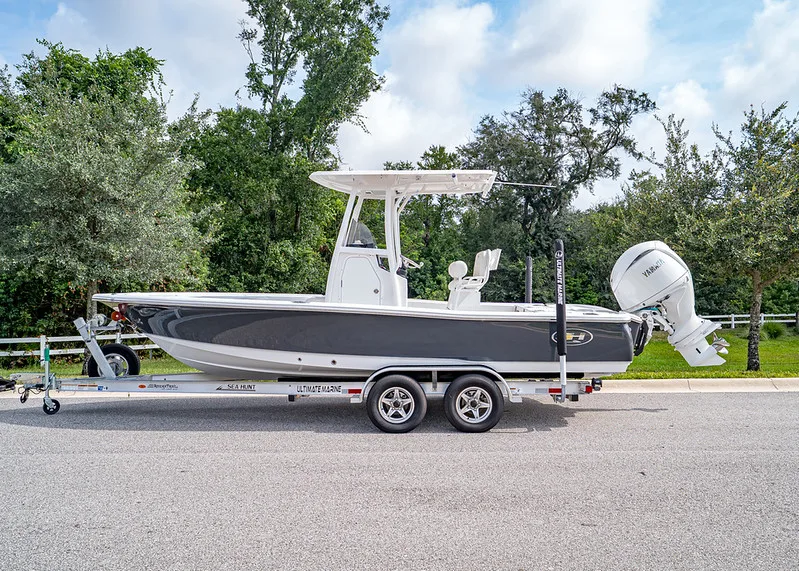
Mosquito Lagoon is the northern end of the Indian River Lagoon system, east of Orlando between New Smyrna Beach and the Kennedy Space Center. Much of it lies within Merritt Island National Wildlife Refuge and Canaveral National Seashore. The refuge says about 40,000 acres of brackish water there, including Mosquito Lagoon, the Indian River Lagoon and the Banana River, are open to fishing, for spotted seatrout, flounder and red drum among others. Daytime bank fishing is available at spots such as Haulover Canal, Patillo Creek and Eddy Creek; bank fishing after dark isn't allowed.
The rules here are stricter than most anglers expect. Redfish are catch-and-release only in FWC's Indian River Lagoon region, which runs south from Lytle Avenue/South Causeway in New Smyrna Beach, so a redfish caught in the lagoon goes back. The refuge has also set up two Pole & Troll Zones in Mosquito Lagoon to protect the grass flats, per its boating and fishing brochure: inside the buoyed zones, gas engines must be off except in posted channels, and you move by drifting, poling, paddling or electric trolling motor. Part of the nearby Banana River is a no-motor manatee sanctuary, and the refuge brochure describes a self-issued refuge fishing permit.
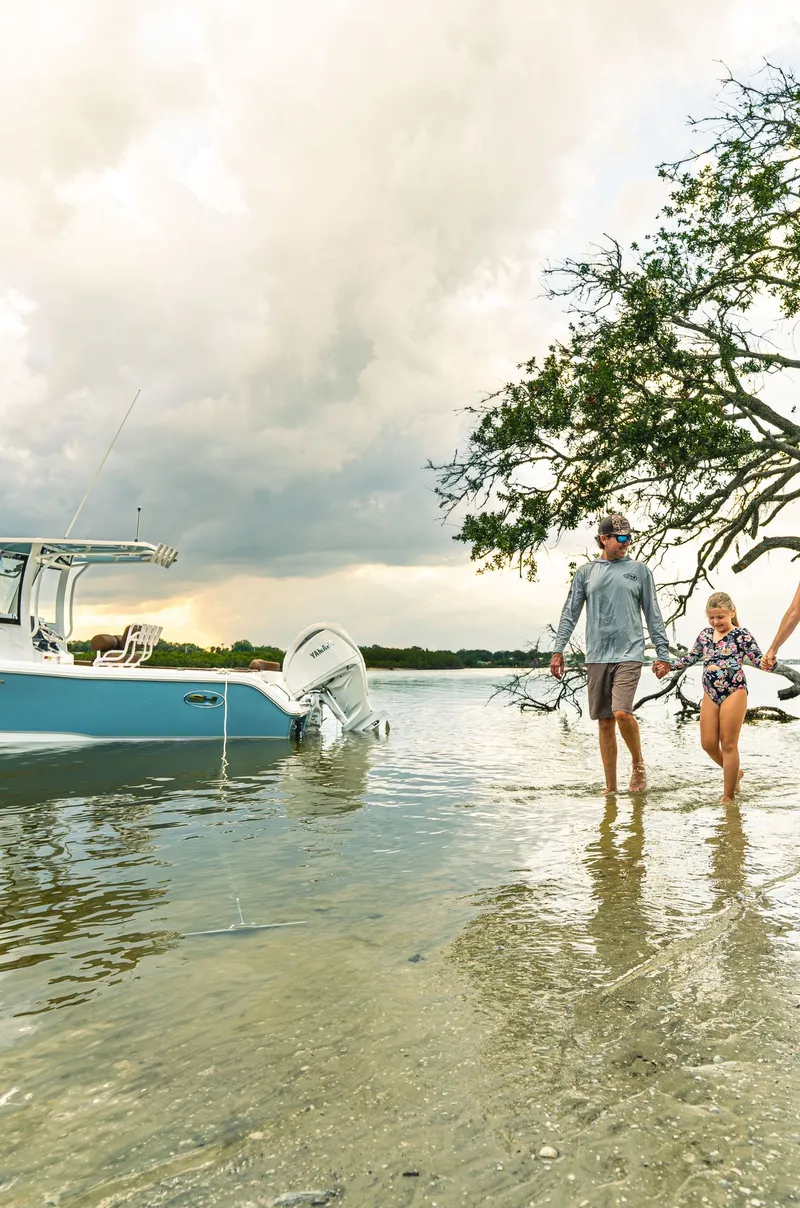
This is sight-fishing water. On a calm morning, redfish tail in inches of water over the grass, and the skill is getting close without spooking them: shut down early, pole or troll in, and cast ahead of the fish. The lagoon rewards a boat that drafts little and runs quietly. A fishing license is required in Canaveral National Seashore as elsewhere, with anglers under 16 exempt.
Sebastian Inlet: snook, jetties and inlet conditions
6. Sebastian Inlet
Sebastian Inlet cuts through the barrier island where the Indian River Lagoon meets the Atlantic. Florida State Parks says its two jetties, one on each side of the inlet, make Sebastian Inlet State Park a premier saltwater fishing spot on Florida's east coast, where anglers catch snook, redfish, bluefish and Spanish mackerel. You can fish from the jetties, from the beach, or from a boat in the inlet and the lagoon behind it.
Sebastian falls in FWC's Indian River Lagoon region for both snook and redfish, so know the regional rules. Snook season is closed December 15 to January 31 and June 1 to August 31 in that region, the slot is 28 to 32 inches total length, the bag is one per person per day, and you need a snook permit along with your saltwater license. Redfish are catch-and-release only. Snook must stay whole until landed, and gear is hook and line only.
Running the inlet by boat is a different matter from fishing its jetties. Like most Atlantic inlets, Sebastian can stack up steep, breaking waves when an outgoing tide runs against an east wind, and the water between the jetties gets crowded with anchored boats on good days. If you're new to it, cross near slack tide, watch a few boats go through first, and leave plenty of room for anglers drifting the rocks. Inside, the lagoon's flats are calmer and closer to the ramp.
Tampa Bay: piers, flats and structure to fish
7. Tampa Bay
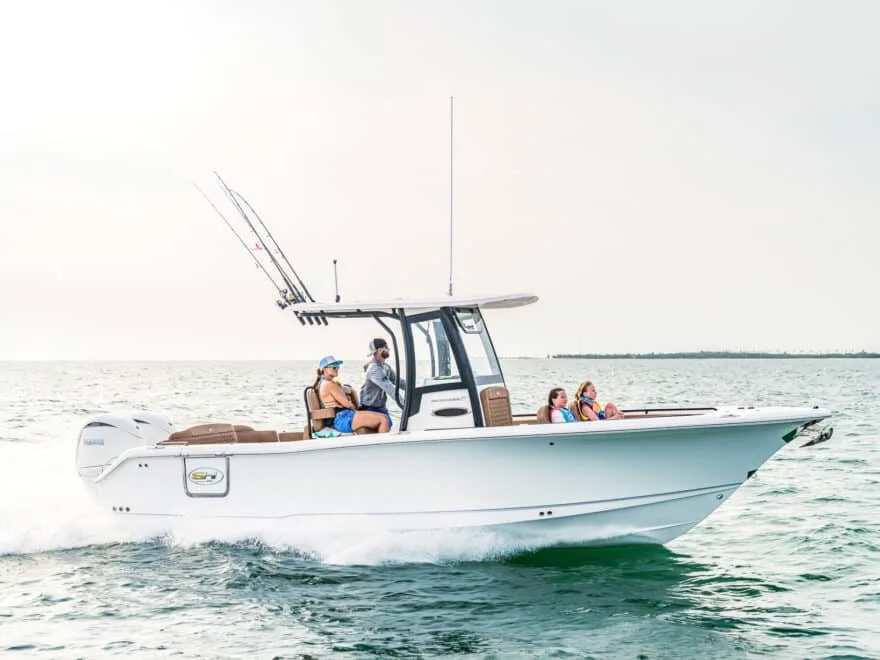
On the Gulf side, Tampa Bay is big enough to fish a different way every day: grass flats and mangrove shorelines for redfish, trout and snook, oyster bars, bridge and channel structure, and the mouth of the bay. Two well-known starting points are run by Pinellas County. Fort De Soto Park has two fishing piers, one on the Gulf and one on the bay, open 7 a.m. to sunset, plus an 800-foot boat launching facility with 11 floating docks; Pinellas County notes a fishing license is required throughout the park, including the piers. Weedon Island Preserve, on the bay's west shore near St. Petersburg, has a fishing pier, self-guided paddling trails and more than 4.7 miles of boardwalks and trails, per the county.
The rocky structure near the Sunshine Skyway Bridge and the edges of the shipping channels hold fish too, but they put you among big-ship traffic, so keep a lookout and stay clear of the channel itself. Tampa Bay falls in FWC's Tampa Bay region for snook and redfish, with rules that differ from the east coast. Snook season there is closed December 1 through the end of February and May 1 to August 31, with a 28- to 33-inch slot. Redfish are open year-round in an 18- to 27-inch slot, one per person and two per boat.
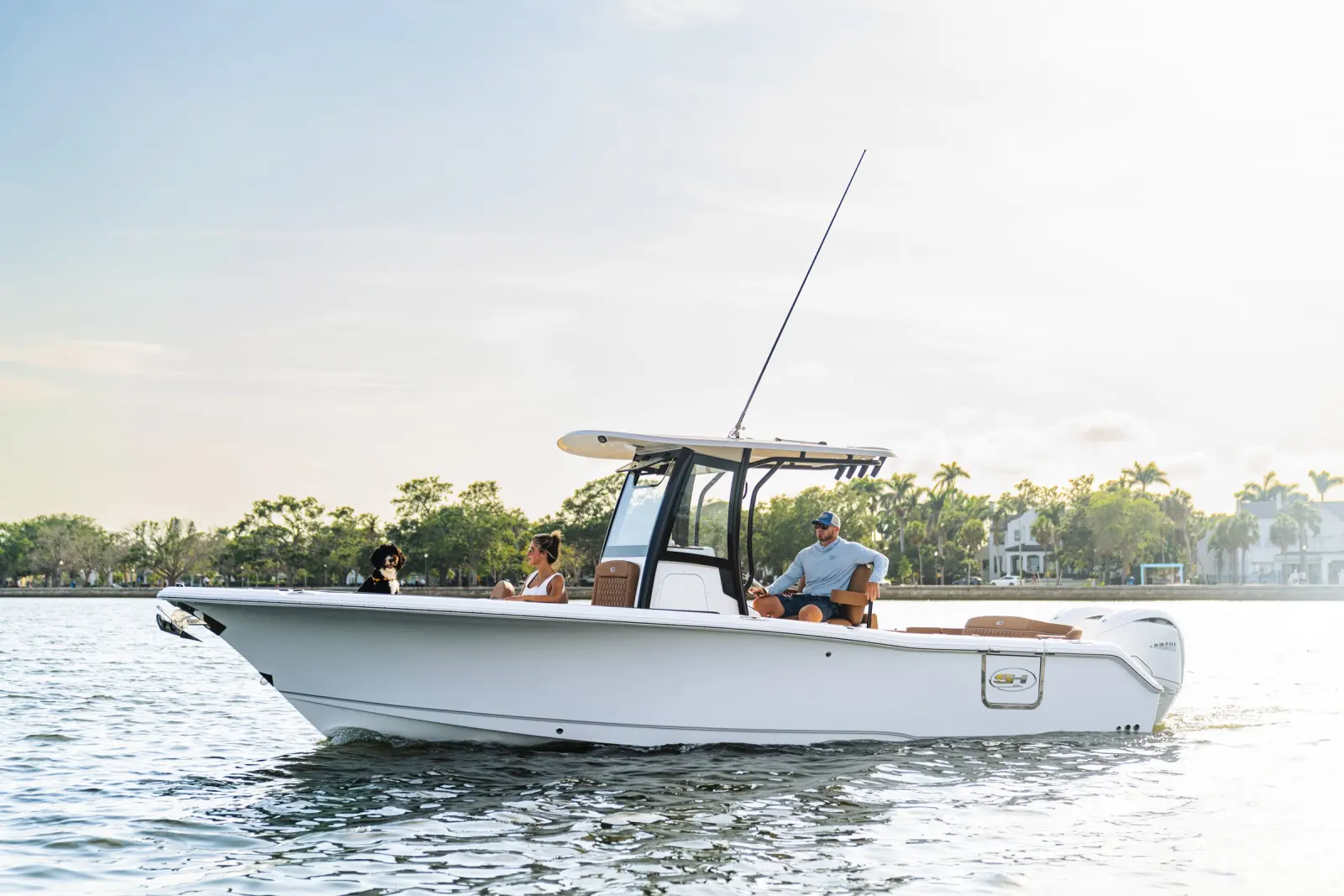
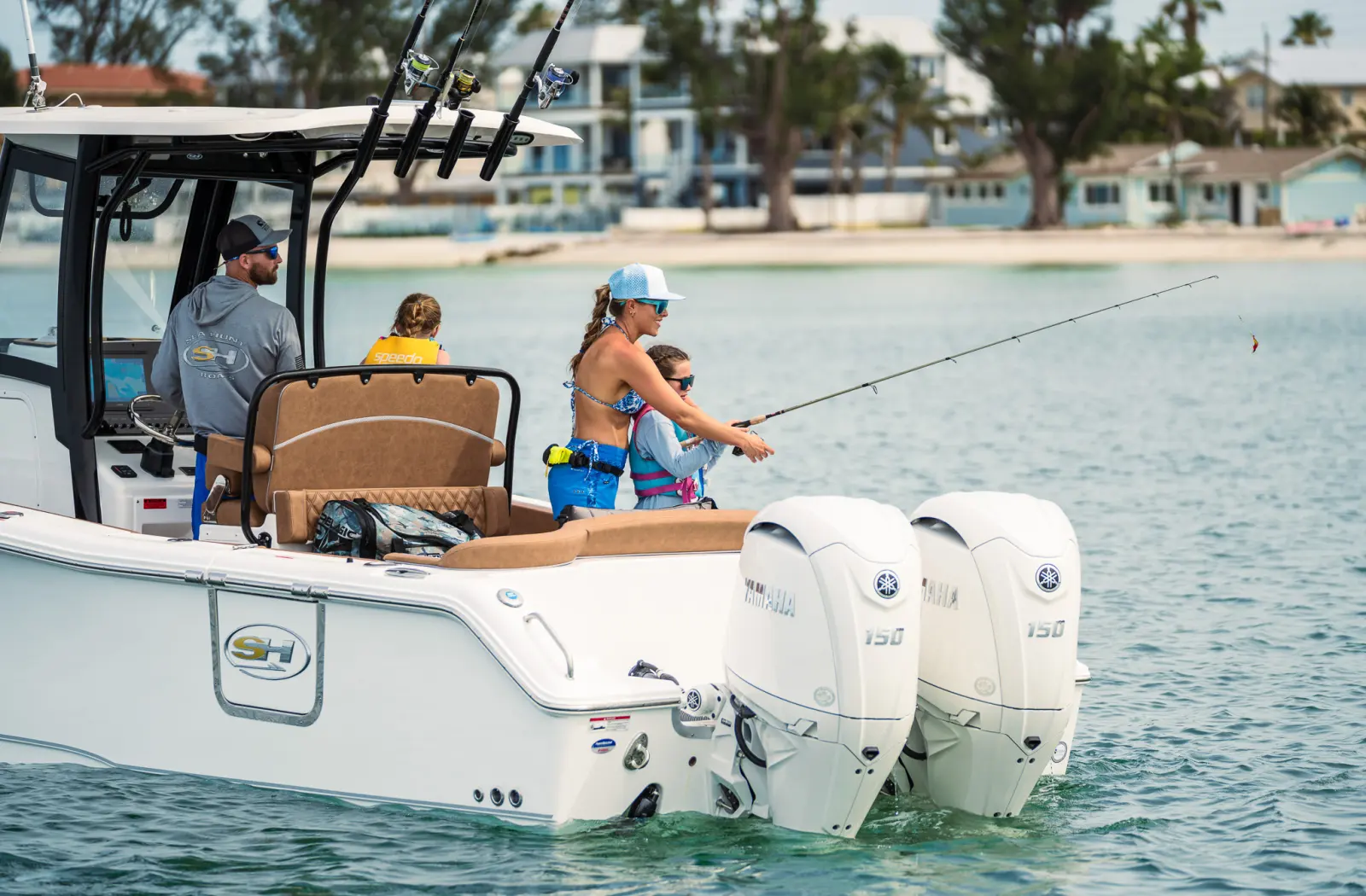
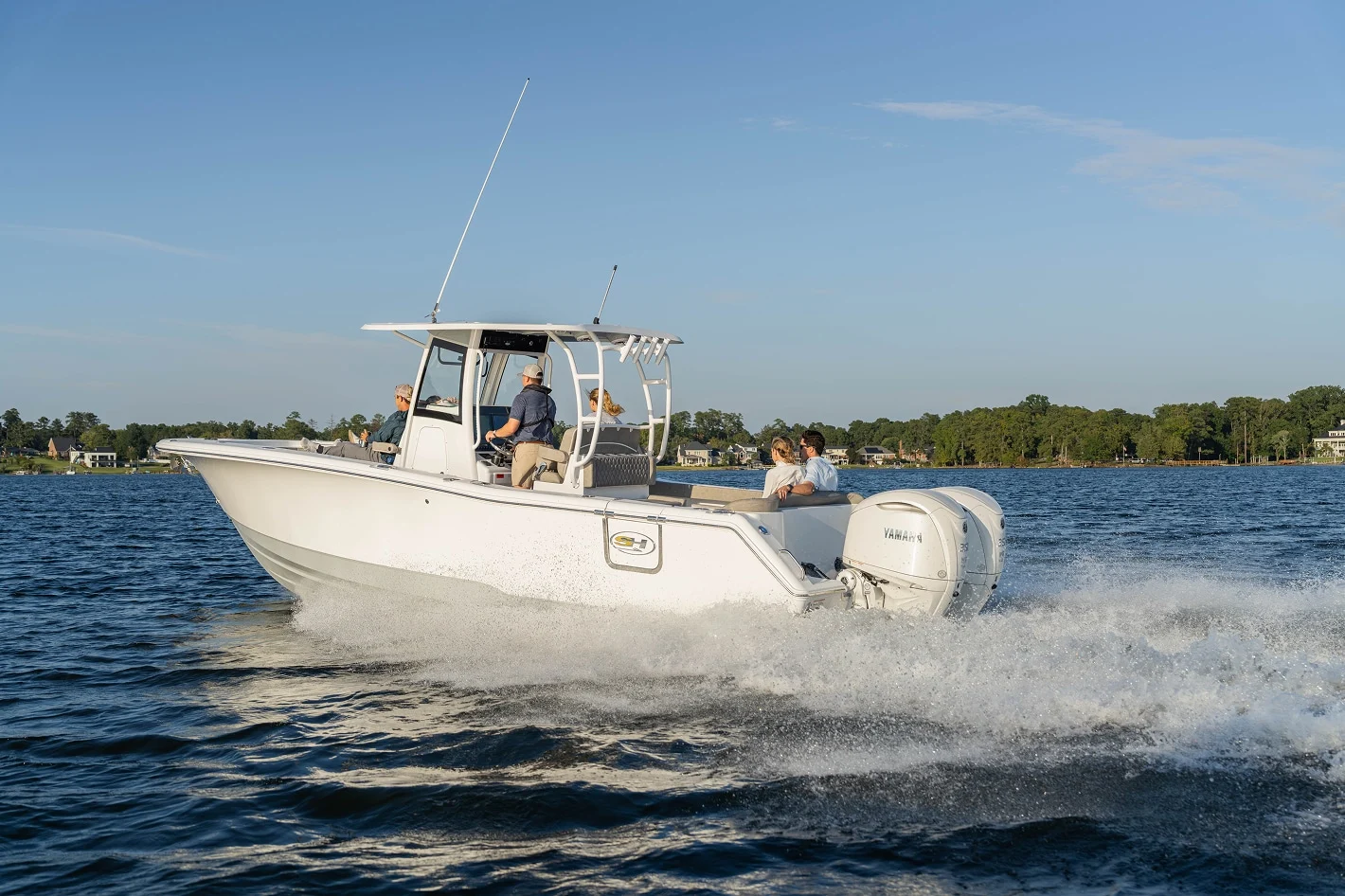
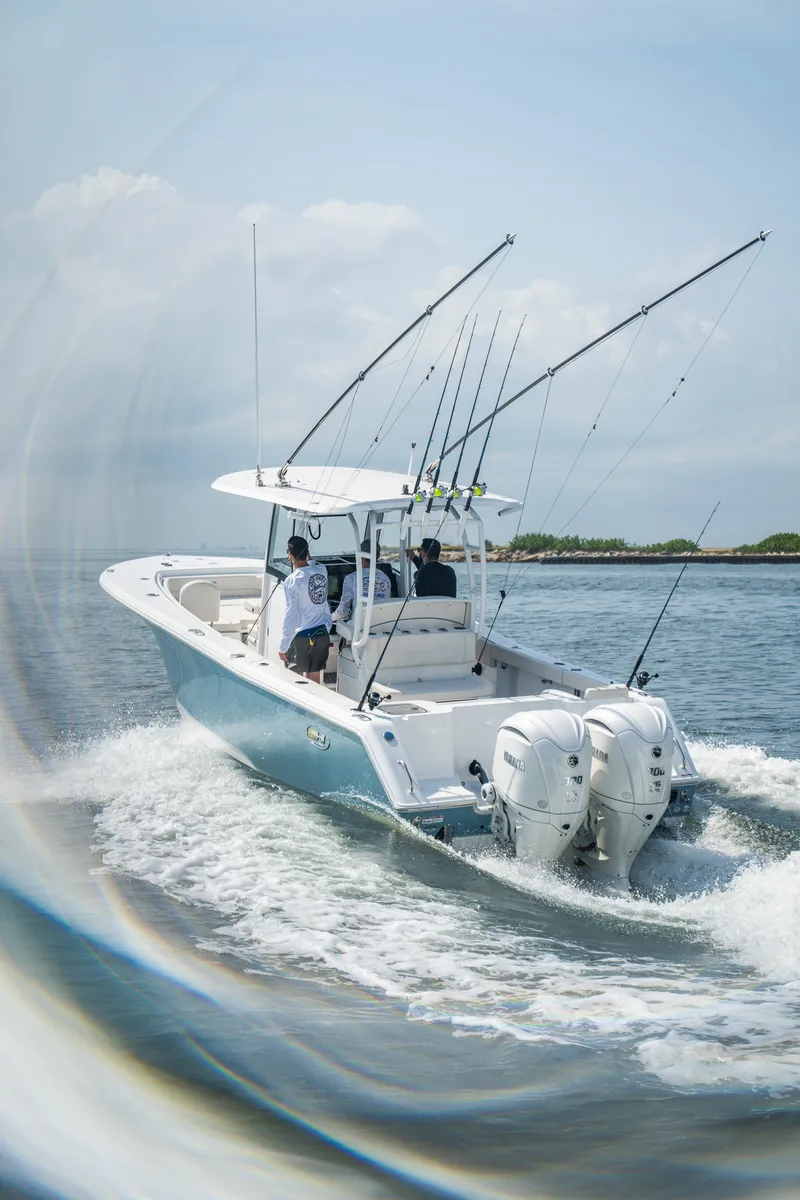
Tampa Bay is also where a center console earns its keep. The bay is shallow at the edges and wide in the middle, and an afternoon southwest breeze can build a short, steep chop across open water. A bay boat handles the flats; a center console makes the run to the mouth of the bay drier. An example plan: launch at Fort De Soto at dawn, fish the flats on the morning tide, and be back at the ramp before the 3 p.m. storms build over the bay.
What's biting in summer?
Inshore. Snook, redfish, spotted seatrout and tarpon work the Mosquito Lagoon and Indian River Lagoon flats, Sebastian Inlet and Tampa Bay. Go early, ahead of the heat and the afternoon storms. Live shrimp and pilchards, soft plastics and a topwater plug at first light all catch fish; for tarpon, try live crabs or mullet around the inlets and bridges.
Offshore. On calm summer mornings, the reefs and ledges off Port Canaveral, Sebastian Inlet and Tampa Bay hold snapper, grouper and kingfish, with mahi farther out. Fish live pinfish or cut bait on the bottom for snapper and grouper, slow-troll live bait for kingfish, and troll ballyhoo for mahi. Check which seasons are open before you keep a fish.
Freshwater. Largemouth bass feed early and late on the Kissimmee Chain and the St. Johns River: topwater at dawn, then soft plastics along deeper grass edges once the sun is up. Shellcracker (redear sunfish) and bluegill bite through the warm months on red worms, crickets and grass shrimp, and black crappie hold deeper, where small minnows fished slowly still find them.
Do you need a fishing license in Central Florida?
Usually. Florida law requires residents and visitors to hold a Florida freshwater or saltwater license, even for catch and release. Exemptions include anyone under 16, Florida residents 65 or older, and anglers on a licensed for-hire boat; see the full list on FWC's license page. Snook also need a separate permit. You can buy a license online at GoOutdoorsFlorida.com, FWC's license site.
Rules change by region, not just by species. Redfish in Mosquito Lagoon are catch-and-release only, and snook seasons differ between Sebastian Inlet and Tampa Bay. Look up the current rule for your water the night before.
Which boat and gear fit Central Florida fishing?
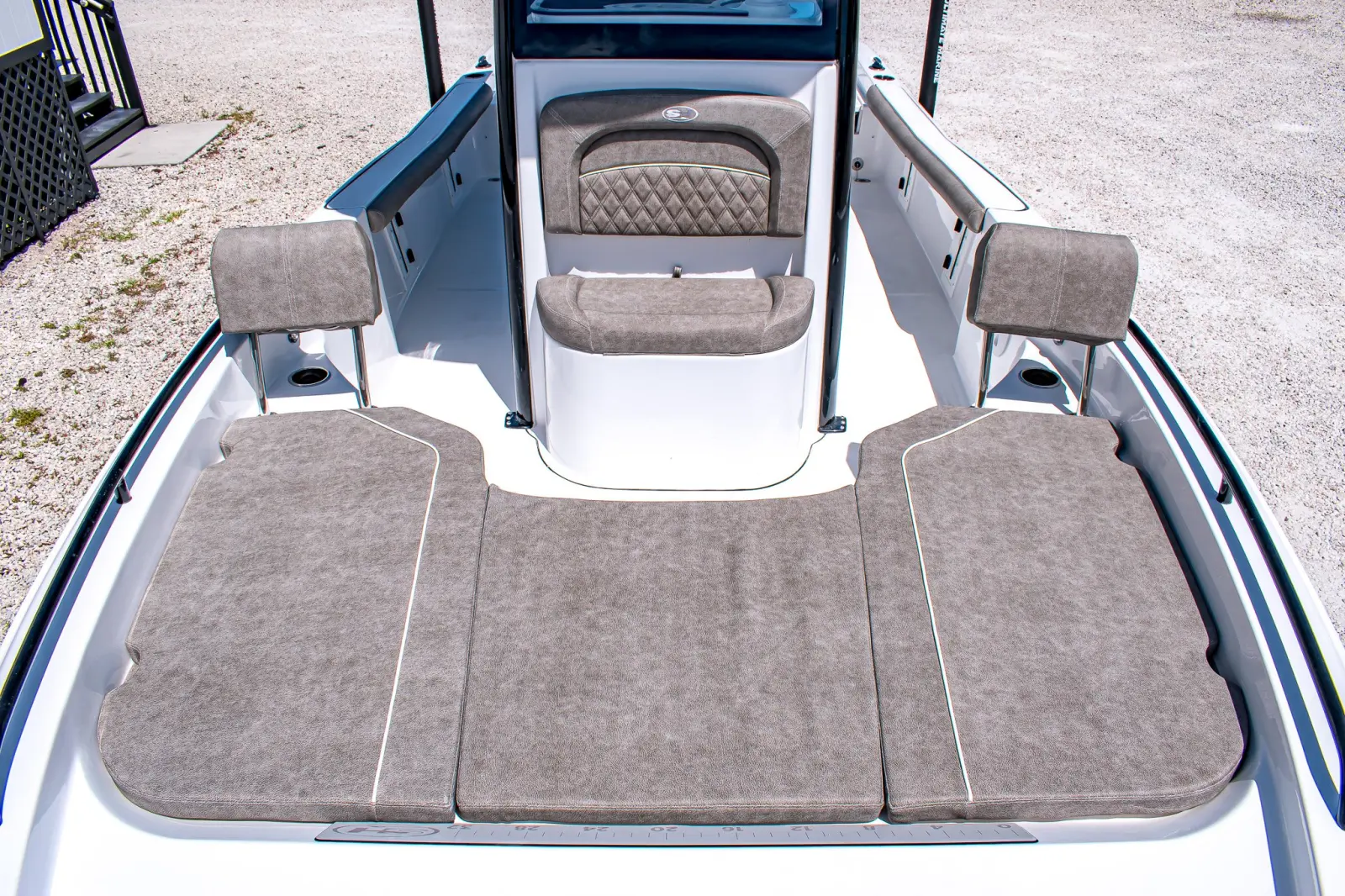
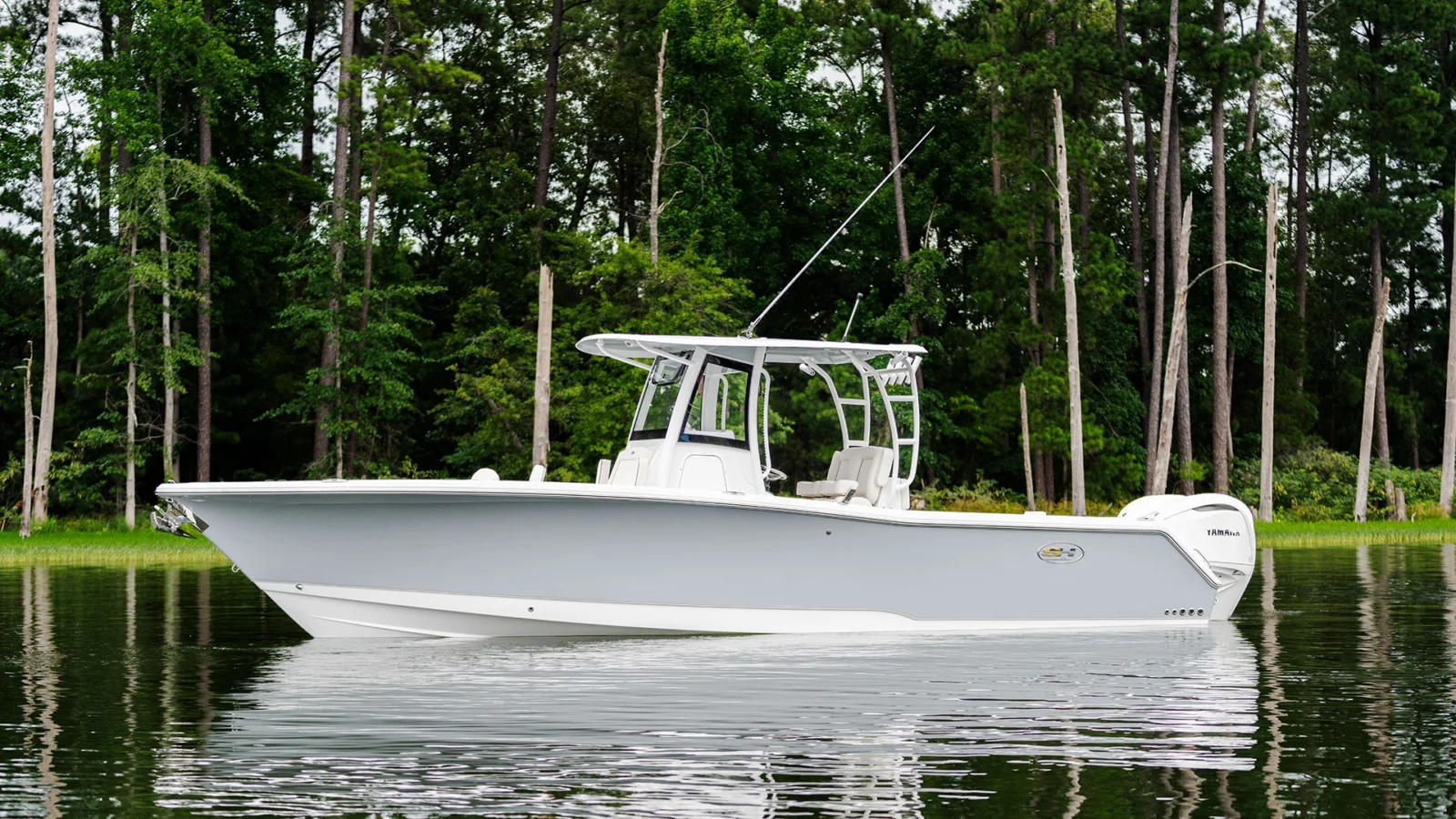
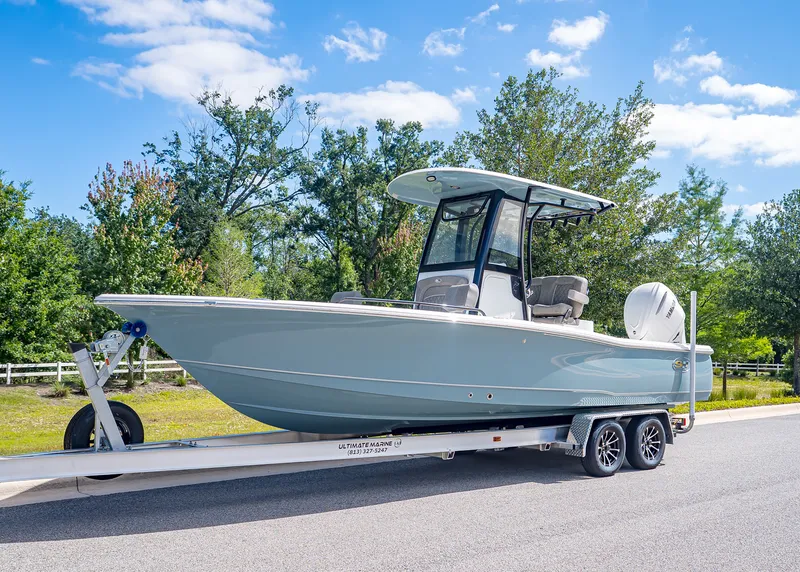
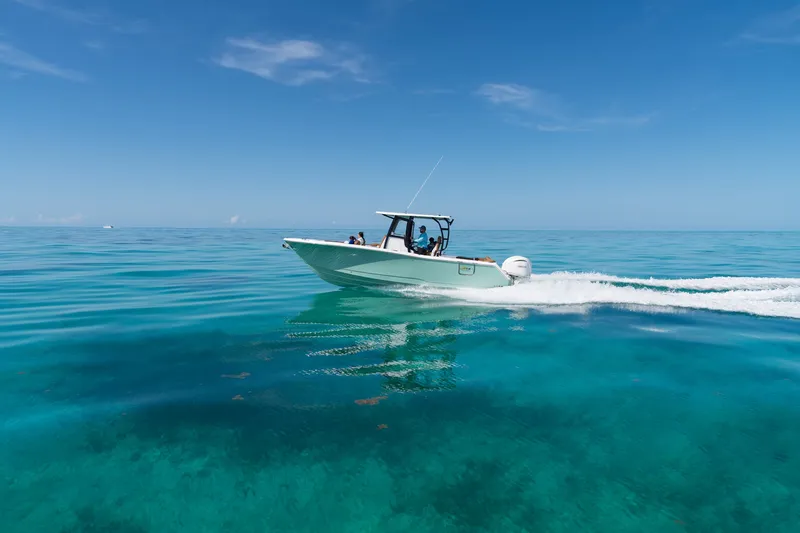
The water decides the boat. The shallow, grassy lakes favor bass boats and bay boats. Mosquito Lagoon and the Indian River flats reward a boat that floats in a foot of water; a bay boat is the usual compromise between the flats and the run to the inlet. Tampa Bay and the trip outside Sebastian Inlet call for more freeboard, which is center-console territory. Before any trip, check weather and tide, pack life jackets and a throwable, and plan to be off open water before afternoon storms.
Questions we hear
Where is the best bass fishing near Orlando?
Lake Toho, southeast of Kissimmee, is one of the closest big bass lakes, and Lake Kissimmee is about 40 miles south of Orlando. Both are grassy Kissimmee Chain lakes known for Florida largemouth bass and crappie. Good starting areas include Goblets Cove and Little Grassy Island on Toho, and Osceola Slough and Philadelphia Point on Kissimmee. Lake Okeechobee, farther south, is nationally recognized for bass and crappie.
Can you keep redfish in Mosquito Lagoon?
No. Mosquito Lagoon is in FWC's Indian River Lagoon management region, which runs south from Lytle Avenue/South Causeway in New Smyrna Beach to the Martin-Palm Beach county line, and redfish there are catch-and-release only. North of that line, in FWC's Northeast region, the rule is one redfish per person between 18 and 27 inches, with a four-fish vessel limit. Rules change, so check FWC's red drum page before you fish.
When is snook season at Sebastian Inlet?
Sebastian Inlet falls in FWC's Indian River Lagoon region, where snook harvest is closed December 15 through January 31 and June 1 through August 31. During the open season you may keep one snook per person per day between 28 and 32 inches total length, and you need a snook permit plus a saltwater fishing license. On Tampa Bay the season and slot are different, so check FWC's snook page for the region you're fishing.
Do I need a fishing license in Florida?
Most anglers do, residents and visitors alike, and that includes catch and release. Exemptions include anglers under 16, Florida residents 65 and older with proof of age and residency, people fishing from a licensed charter or guide boat, and anglers fishing salt water from a boat whose operator holds a recreational saltwater vessel license. Snook and spiny lobster need separate permits.
What is the best time of year for crappie in Central Florida?
Fall and winter. Crappie fishing picks up as the weather cools, and on Lake Okeechobee expect the speck bite to improve in November and December, with January typically best for keeper-size fish. On the St. Johns, Lakes Jesup, Beresford and Harney are popular crappie lakes. Drifting minnows or jigs along vegetation edges and in open water is the usual approach.